
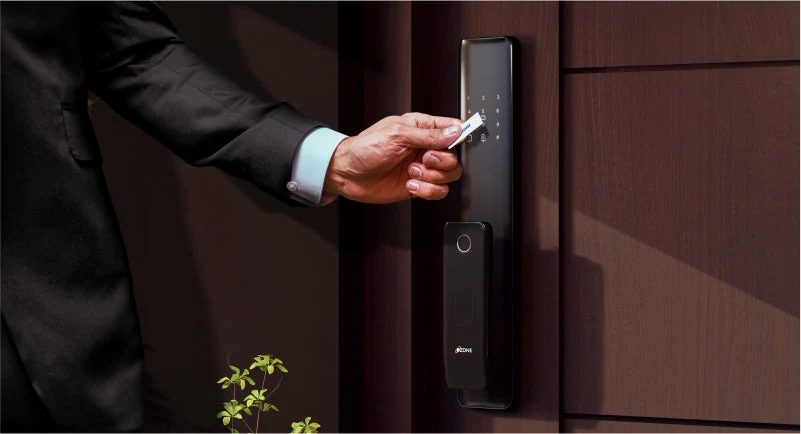
Home security has undergone a dramatic transformation over the past decade. What was once dominated by traditional mechanical locks has evolved into a world where technology, convenience, and automation work together to protect our living spaces. At the center of this transformation is the smart home door lock—a device that blends innovation with functionality to deliver a safer, more efficient, and modern way to safeguard our homes.
As smart home ecosystems continue to expand and consumers demand greater control over their environments, smart door locks have become more than just gadgets; they are pivotal components of a future-oriented home security strategy. This article explores how smart door locks are shaping the future of safety, the technology behind them, their benefits and challenges, and what the next generation of home security might look like.
The Rise of the Smart Home Ecosystem
Before diving specifically into smart door locks, it’s important to understand the broader context: the smart home revolution. Over the past several years, connected devices—from thermostats to video doorbells to AI-powered security cameras—have become widely adopted. These devices communicate through platforms such as Amazon Alexa, Google Home, Apple HomeKit, and Samsung SmartThings, enabling homeowners to manage multiple functions seamlessly from a smartphone or voice assistant.
Smart door locks fit naturally into this ecosystem because they serve as.
A first line of defense in home security
A central hub for smart automation (e.g., unlocking door triggers lights to turn on)
A convenience tool, eliminating the need for physical keys
Their ability to integrate with the entire smart home environment is what gives them an edge over traditional locks.
What Defines a Smart Home Door Lock
A smart door lock is an electronic locking device that can be controlled remotely through wireless technology. But modern smart locks go far beyond simple remote access. Key features often include:
Keyless entry methods
PIN codes
Smartphone app access
Bluetooth proximity unlocking
Biometric fingerprint scanning
RFID or NFC tags
Temporary or one-time access codes
Remote monitoring
Homeowners can check the status of their locks from anywhere in the world. They can see whether a door is locked, unlock it for guests, or receive notifications if someone attempts unauthorized entry.
Integration with other smart devices
Smart locks often pair with:
Video doorbells
Smart lights
Automated security systems
AI home assistants (Alexa, Google Assistant, Siri)
Activity logs
Many smart locks provide time-stamped records of who entered and when, giving homeowners enhanced visibility and security.
Enhanced security features
Modern smart locks incorporate features such as:
Tamper alerts
Auto-lock functions
Forced-entry alarms
End-to-end encrypted communication
These features collectively make smart door locks one of the most advanced and convenient forms of home security available today.
Advantages of Smart Home Door Locks
Convenience and Keyless Living
The convenience of not needing a physical key is one of the most obvious—and appreciated—benefits. Lost keys, lockouts, and rekeying expenses become concerns of the past. Whether you’re carrying groceries, walking kids to the car, or returning home at night, smart locks streamline the process.
Remote Access and Control
Whether you’re in the office or on vacation, smart locks allow you to:
Lock or unlock your door remotely
Verify whether you remembered to lock it
Let someone into your home without needing a spare key
This is particularly helpful for.
Family members
Housekeepers
Pet sitters
Delivery personnel
The flexibility and peace of mind this provides cannot be overstated.
Enhanced Security Monitoring
Smart locks provide real-time insights you simply cannot get from mechanical locks. Through mobile apps, you can instantly see:
When your door was opened
Who accessed it
If suspicious activity occurred
This data-driven approach helps homeowners respond quickly to security concerns.
4. Integration with Modern Security Systems
Smart locks can work in tandem with:
-
Security cameras
-
Motion sensors
-
Alarm systems
-
Smart lighting
For example, unlocking your door could automatically trigger indoor lights to turn on, creating a safer and more comfortable arrival experience.
Temporary Access for Guests
One of the most innovative features of smart locks is the ability to grant temporary, limited, or one-time access. This is ideal for:
Airbnb and rental properties
Housesitters or cleaners
Contractors and maintenance workers
Visiting friends or relatives
Homeowners maintain full control, adjusting access settings at any time.
Increased Safety for Children and Elderly Family Members
Smart locks can alert parents when children return home from school, or help adult children remotely unlock doors for elderly parents who struggle with traditional keys.
Technologies Powering Smart Home Door Locks
The evolution of smart door locks is rooted in advancements in several key technologies:
Bluetooth Low Energy (BLE)
BLE ensures energy-efficient communication between smartphones and smart locks. It enables features like proximity unlocking, where doors automatically unlock when an authorized device is nearby.
Wi-Fi Connectivity
Wi-Fi allows remote access from virtually anywhere. It also supports integrations with smart home hubs and voice assistants.
Biometrics
Fingerprint sensors and facial recognition add a layer of personalized accreditation. These technologies are becoming more accurate, secure, and widely available.
Cloud-based Authentication
Cloud servers store encrypted access data, enabling fast and secure verification and remote command execution.
AI and Machine Learning
Artificial intelligence enhances smart lock features such as.
Recognizing unusual activity patterns
Suggesting optimal automatic locking schedules
Providing predictive security alerts
Encrypted Communication
Secure encryption methods protect data transmission between the lock, cloud servers, and user devices, preventing hacking attempts.
Together, these technologies form the backbone of the modern smart lock.
Challenges and Concerns About Smart Locks
Despite their numerous advantages, smart locks also present potential challenges.
Cybersecurity Risks
As with any connected device, smart locks are vulnerable to hacking if not properly secured. Weak passwords, outdated firmware, or insecure networks can expose users to risks. Fortunately, many manufacturers are now incorporating robust encryption and threat detection.
Dependence on Technology
Power outages, Wi-Fi disruptions, or battery failures can temporarily disable some smart lock functions. Most locks mitigate this with:
Backup physical keys
Manual override options
Low-battery alerts
Cost
Smart locks are more expensive than traditional locks, though prices have decreased as adoption has grown and competition has increased.
Compatibility Issues
Not all smart locks work seamlessly with every smart home system. Choosing a compatible device is essential for maximizing functionality.
Privacy Considerations
Because smart locks generate access logs, users must trust manufacturers to handle their data responsibly. Transparency and secure data management are essential.
The Future of Smart Home Door Locks
As technology continues to advance, the future of smart door locks promises even more innovation.
Deeper AI Integration
Future smart locks may use advanced AI to.
Identify suspicious behaviors
Learn user patterns
Provide proactive alerts
Integrate with AI-powered home assistants to automate security routines
Voice-Verified Entry
Voice recognition could become a primary method of unlocking. With advancements in voice biometrics, it’s possible that speaking a verified command could unlock your home.
Biometric Expansion
In addition to fingerprints, smart locks may soon incorporate:
Facial recognition
Palm-vein scanning
Iris recognition
These features would significantly raise the security bar.
Ultra-Secure Digital Keys
Digital keys could be shared through secure apps and may include.
Geo-fencing restrictions
Expiration times
Multi-factor authentication
These keys may eventually replace physical keys entirely.
Smart Neighborhood Security Integration
In future smart cities, smart locks might integrate with neighborhood security systems. For example:
A break-in attempt at one home could alert nearby smart homes.
Community-wide safety networks could synchronize lights, alarms, and cameras.
Environmental and Energy Efficiency
Smart locks could utilize renewable energy sources like kinetic energy (generated by touch or motion), thereby reducing the need for batteries.
Quantum-Resistant Encryption
As quantum computing advances, encryption will need to evolve. Manufacturers are already researching quantum-resistant algorithms to secure smart locks against future threats.
Smart Locks in Real-World Applications
Residential Homes
Smart locks offer enhanced convenience and security for families, single homeowners, and shared-living households.
Rental and Airbnb Properties
Hosts benefit greatly from.
Automated guest check-ins
One-time access codes
No need to exchange keys
Clear access logs
Many Airbnb hosts have adopted smart locks as standard equipment.
Commercial Buildings
Businesses can integrate smart locks with access control systems to monitor employees, manage after-hours access, and improve workplace security.
Multi-Family Housing and Apartments
Property managers can remotely manage resident access, issue temporary codes to maintenance staff, and improve building security with centralized platforms.
Tips for Choosing the Right Smart Door Lock
When selecting a smart lock, consider the following factors:
Security Features
Strong encryption
Automatic lock capabilities
Tamper and forced-entry alarms
Biometric options
Battery Life and Backup Options
Check battery lifespan and ensure there are emergency unlocking methods.
Integration Compatibility
Ensure the lock works with your:
Smart home hub
Smartphone platform
Other IoT devices
Installation Requirements
Some locks require professional installation, while others are DIY-friendly.
User Management Features
Consider whether you need:
Guest access codes
Access schedules
Activity logs
Design and Build Quality
Since a lock is both functional and aesthetic, choose a model that fits your door and complements your home’s style.
Conclusion
Smart home door locks are redefining what it means to feel secure and in control of your home. They offer a seamless blend of convenience, connectivity, and cutting-edge technology, making them an integral part of the future of home safety.
As AI, biometrics, and encryption continue to evolve, smart locks will become even more sophisticated—offering enhanced protection, smarter integrations, and a more personalized security experience.
The future of safety is not simply about locking doors; it’s about creating intelligent, adaptive environments that understand our needs, anticipate threats, and enhance everyday living. In this future, the smart home door lock will be more than a device—it will be a cornerstone of secure, connected living.