
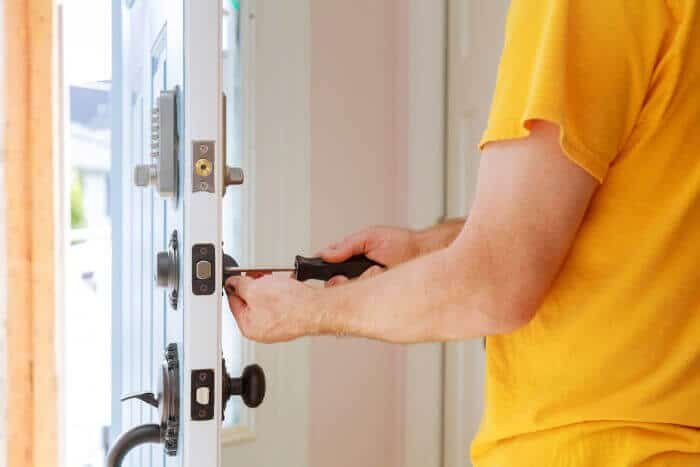
In the realm of home security, doors often serve as the first and most important line of defense. While alarm systems, surveillance cameras, and smart gadgets have become increasingly common, none of these matter much if the doors themselves—your home’s main entry points—are vulnerable. A poorly secured door can often be breached in seconds, making it essential to understand the principles and practices behind strong door security.
This comprehensive guide covers everything you need to know about home door security. choosing the right door materials, reinforcing weak points, smart locks, physical barriers, and strategies for long-term home protection. Whether you’re a homeowner, renter, or landlord, this article will help you build a security strategy based on real-world vulnerabilities and practical solutions.
Why Door Security Matters More Than Many Realize
Most break-ins are not elaborate crimes involving high-tech tools or intricate planning. Instead, many intruders simply check for easy opportunities. A surprising percentage of home burglaries—particularly those done during the daytime—happen through the front or back doors. Criminals favor fast access, and an unsecured door is often their easiest point of entry.
Other key reasons door security deserves special attention include.
Doors Are the Most Frequently Targeted Entry Points
Studies from various crime prevention agencies consistently show that doors—front, back, or garage access—are the primary entry point for intruders. Windows rank second but are significantly less commonly used compared to doors. This means improving door security has the highest return on investment for overall home protection.
Compromising a Door Takes Seconds Without Proper Reinforcement
A standard wooden door with outdated hinges or a weak strike plate can be kicked in with minimal effort. Similarly, many traditional deadbolts can be easily pried open or drilled without advanced tools. Intruders prefer quick entry and exit, and an easy-to-break door provides just that.
Doors Affect Both Physical and Psychological Security
A reinforced door doesn’t just make your home physically safer—it enhances peace of mind. Knowing your home’s entrances are solidly secured helps you, your family, and your guests feel protected, especially at night or when traveling.
Understanding Door Weak Points
Before securing your doors, it’s important to identify potential vulnerabilities. Most door break-ins target one of the following areas:
Weak Door Material
Hollow-core doors, often used for interior spaces, should never be used as exterior doors. They are fragile and easy to break.
Flimsy Frames and Jambs
Even if the door itself is sturdy, a weak frame can collapse under force. Most kick-ins occur at the strike plate area where the latch meets the frame.
Poor-Quality Locks
Grade 3 residential locks—commonly sold in hardware stores—provide only basic protection and may not withstand forced entry.
Exposed Hinges
Doors that open outward can have hinges exposed on the exterior. If not properly secured, intruders can remove the hinge pins and lift the door off entirely.
Glass Panels Near Locks
While stylish, glass inserts or side windows can be broken, allowing intruders to reach inside and unlock the door.
Once you understand these weak points, you can make informed decisions about upgrades and reinforcements.
Choosing the Right Exterior Door
Your home’s exterior door is the centerpiece of your security system. Selecting the right material and construction is crucial.
Solid Wood Doors
Solid wood doors offer excellent strength and insulation. However, they can be expensive and susceptible to warping over time if not properly maintained.
Strong, attractive, customizable.
Costly, requires maintenance, can crack with extreme temperature changes.
Steel Doors
Steel doors are among the most secure and durable options. They are resistant to physical impact and often come with internal foam cores for insulation.
Highly secure, affordable, low maintenance.
Can dent, may rust if damaged.
Fiberglass Doors
Fiberglass doors are durable, weather-resistant, and often mimic the look of real wood. They offer a good balance of strength and aesthetics.
Strong, energy-efficient, long-lasting.
Higher cost than steel, but lower than premium wood.
Security Doors
These are reinforced doors specifically designed to resist forced entry. They may include metal frames, mesh screens, and built-in multi-point locking systems.
Maximum security, excellent durability.
Often industrial-looking unless customized.
High-Security Locks: Your Door’s Core Defense
Choosing the right lock is just as important as choosing the right door.
Deadbolts
A high-quality deadbolt is essential for any exterior door.
ANSI Grade 1 deadbolts (the highest security rating)
One-inch throw bolts that penetrate deeply into the doorframe
Hardened steel bolts that resist sawing
Anti-drill plates to deter drilling attacks
Smart Locks
Smart locks offer convenience and added monitoring features, but not all are created equal. Look for smart locks with:
ANSI Grade 1 deadbolt integration
Auto-lock features
Encrypted wireless signals
Tamper alerts
Backup physical keys
Smart locks are especially valuable for rental properties or frequent travelers who need remote access control.
Multi-Point Locking Systems
Common in high-end and European doors, these locks secure the door at multiple points along the frame. They resist prying, kicking, and bending.
Keyless Pin Code Locks
These are convenient and secure if you use strong access codes. They eliminate the risk of losing traditional keys.
Reinforcing the Door Frame and Hardware
Even the strongest door and lock won’t matter if the frame gives way. Reinforcing the door structure is one of the most effective upgrades you can make.
Reinforced Strike Plates
Replace short, 1/2-inch screws with 3-inch screws that reach deep into the wall stud. This dramatically increases resistance to kick-ins.
Door Jamb Reinforcement Kits
Products like Door Armor or similar reinforcement kits strengthen:
The strike plate
The jamb
The door edge
These can turn a vulnerable door into a high-security entry.
Hinge Reinforcement
Ensure hinges are secured with 3-inch screws as well. For outward-swinging doors, use:
Security hinges with non-removable pins
Set screws, studs, or security tabs
These prevent anyone from removing the door by attacking the hinges.
Door Edge Reinforcers
Metal edge guards protect the latch area from splitting during forced entry.
Glass Doors and Sliding Doors: Special Security Concerns
Doors with glass elements require additional strategies.
Reinforcing Glass
Use laminated or tempered safety glass. Laminated glass includes a plastic interlayer that holds the pane together even when shattered.
Protective Filming
Security film adds resistance to impacts and forces intruders to spend more time breaking through—time they typically don’t have.
Sliding Door Security
Sliding doors are often targeted because their latches are weak. Reinforce them with:
Security bars or dowels placed in the track
Anti-lift devices to prevent removal from the frame
Secondary locks that mount on the upper track
Smart Door Security Upgrades
Adding smart features enhances home security without replacing existing hardware.
Video Doorbells
These allow you to monitor visitors, receive motion alerts, and record suspicious activity. Modern video doorbells offer:
Night vision
Two-way audio
Package detection
Cloud or local storage
Smart Sensors
Door sensors notify you if a door is opened unexpectedly. Some integrate with home security systems to trigger alarms.
Smart Lighting
Motion-activated lights near entry doors deter intruders and make your home safer at night.
Security Barriers and Additional Protection
Aside from locks and reinforcements, several tools provide extra layers of protection.
Door Security Bars
Interior door bars brace against forced entry. They’re especially useful for people in apartments or during nighttime.
Peepholes and Door Cameras
Peepholes allow you to view who is outside without opening the door. Modern peephole cameras enhance visibility even more.
Storm Doors
Storm doors add a second layer of protection, particularly if they feature.
Heavy-duty frames
Multi-point locks
Impact-resistant glass
Door Chain Guards
While not reliable as primary security features, chain guards can add minor protection and help during partial door openings.
Garage Door Security: The Often Overlooked Entry
Garage doors are a common entry point because many homes have a door connecting the garage to the main interior.
Tips to Secure Garage Entry Doors
Use a solid-core door with a deadbolt.
Never leave the garage-to-home door unlocked.
Install smart sensors to monitor garage door position.
Reinforce the emergency release cord to prevent “fishing” attacks.
Maintenance: Keeping Security High Over Time
Security decays if hardware is not maintained. Create a yearly checklist.
Inspect door frames for warping or cracks.
Tighten loose hinge screws.
Lubricate locks with graphite or silicone-based sprays.
Check seals and weatherstripping.
Test smart lock batteries and connectivity.
Creating a Complete Door Security Strategy
Door security works best with a layered approach. A well-secured door might feature:
A solid-core or metal exterior door
A Grade 1 deadbolt and hardware
Reinforced hinges and strike plates
A secondary interior barrier (like a door bar)
Smart monitoring systems (video doorbells, sensors)
Motion lighting for visibility and deterrence
The goal is to make your home a hardened target, discouraging intruders who prefer easy, low-risk opportunities.
Conclusion
Investing in door security is one of the most practical and cost-effective ways to protect your home. Doors remain the most common target for intrusions, yet they are also one of the easiest areas to upgrade using a combination of strong materials, modern locking systems, reinforcement kits, and smart technology.
By understanding potential vulnerabilities and choosing the right solutions, you can significantly reduce your home’s risk of break-ins. A secure door protects not just the physical structure of your home but also the people and memories inside it. Ultimately, home door security is not about fear—it is about confidence, safety, and peace of mind.