
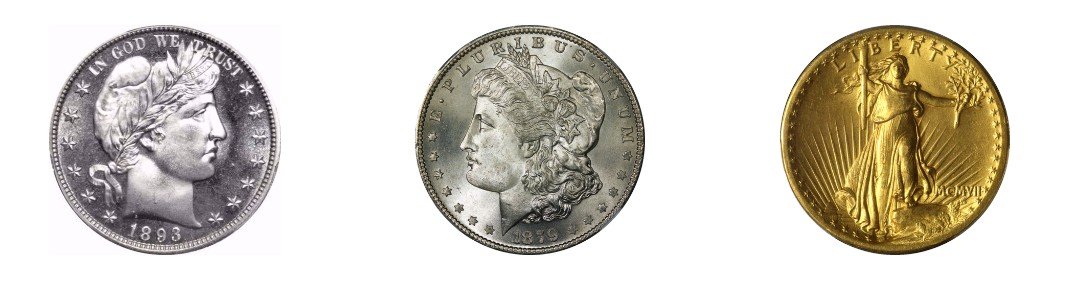
When you’re looking to invest in precious metals, two popular options stand out. You can buy PCGS coins that have been professionally graded and certified. Or you can buy gold Miami from established dealers who understand the local market. Both options offer unique benefits for collectors and investors alike. The key is knowing what you’re buying and where to find trustworthy sources. Many people start their precious metals journey without understanding the difference between certified coins and raw gold. This guide breaks down everything you need to know about both options. We’ll explore what makes PCGS certification valuable and why Miami has become a hub for gold buyers. By the end, you’ll know exactly where to start your investment journey.
What Are PCGS Coins and Why Do They Matter?
PCGS stands for Professional Coin Grading Service. This company has been grading coins since 1986. They’re considered one of the top two grading services in the world. When you buy a PCGS coin, you’re getting more than just a piece of metal. You’re getting a guarantee of authenticity and condition. The coin comes sealed in a tamper-proof holder. This holder displays the grade, which tells you the coin’s condition on a scale from 1 to 70. Higher numbers mean better condition. A coin graded MS-70 is perfect. Most circulated coins fall between MS-60 and MS-65. The grading makes a huge difference in value. A coin graded MS-65 might be worth twice as much as the same coin graded MS-63. This standardized grading system creates confidence in the market. Buyers know exactly what they’re getting. Sellers can price their coins fairly based on the grade. The certification also protects against counterfeits, which have become more sophisticated over the years.
The Benefits of Buying Certified Gold Coins
Certified gold coins offer advantages that raw gold bullion can’t match. First, they’re easier to authenticate. The PCGS holder includes security features that prevent tampering. You don’t need to test the gold content yourself. Second, certified coins often carry numismatic value beyond their gold content. A rare gold coin in high grade might sell for ten times its gold value. This premium grows over time, especially for scarce dates and mint marks. Third, certified coins are easier to sell. When you decide to liquidate, buyers trust the grade. You won’t need to negotiate condition or authenticity. The transaction happens faster and smoother. Fourth, certified coins are portable wealth. A single coin might contain thousands of dollars in value but fit in your pocket. This makes them ideal for diversifying your investment portfolio. Finally, certified coins are more enjoyable to collect. You can appreciate the artistry and history of each piece. Many collectors find this aspect just as rewarding as the investment potential.
Why Miami Has Become a Gold Buying Destination
Miami’s status as an international city makes it perfect for precious metals trading. The city attracts buyers from Latin America, Europe, and across the United States. This creates a competitive market with fair prices. You’ll find dealers who understand global markets and can offer insights on pricing trends. The city’s wealthy population supports multiple high-end coin and bullion dealers. These businesses maintain large inventories of both certified coins and gold bars. Miami’s proximity to major airports means dealers can quickly source rare items. The warm climate also attracts retirees who are looking to preserve wealth through precious metals. Many choose gold as a hedge against inflation and economic uncertainty. The state of Florida offers another advantage: no state income tax. This makes it attractive for investors who plan to sell their gold or coins later. You keep more of your profits compared to high-tax states. Miami’s cultural diversity means dealers often speak multiple languages. This helps international buyers feel comfortable making significant purchases.
How Park Avenue Numismatics Serves Miami Gold Buyers
Park Avenue Numismatics has built a reputation as a trusted source for precious metals. The company specializes in both certified coins and gold bullion. They maintain a large inventory of PCGS-graded coins spanning multiple collecting categories. Their team includes experts who can guide both new and experienced buyers. Park Avenue Numismatics operates with transparency, providing current market pricing and honest assessments. They understand that buying gold or rare coins represents a significant financial decision for most people. When you’re ready to buy PCGS coins, working with an established dealer matters. Park Avenue Numismatics verifies authenticity and provides detailed information about each item. They source coins from reputable suppliers and maintain strict quality standards. For those looking to buy gold in Miami, the company offers various options. You can choose from gold bars, modern gold coins, or historic gold pieces with numismatic value. Each option serves different investment goals. The staff takes time to understand your objectives before making recommendations. This approach ensures you make purchases that align with your financial plans.
Comparing Different Types of Gold Investments
Gold comes in many forms, and each serves different purposes. Gold bars offer the lowest premiums over spot price. They’re ideal if you want maximum gold content for your money. Bars come in sizes from one gram to 400 ounces. Most investors choose one-ounce or ten-ounce bars for balance between affordability and liquidity. Modern gold bullion coins like American Eagles or Canadian Maple Leafs carry slightly higher premiums. They’re government-minted with guaranteed gold content. These coins are easier to trade than bars because they’re more recognizable. Each coin contains exactly one ounce of pure gold. Historic gold coins offer a different value proposition. A $20 Saint-Gaudens gold coin from 1907 contains about one ounce of gold. But it might trade for double the gold value due to its collectibility. When certified by PCGS, these coins can command even higher premiums based on grade. Pre-1933 gold coins also carry numismatic premiums that can protect value during government restrictions. Fractional gold coins provide flexibility. Quarter-ounce or half-ounce coins are easier to sell in smaller amounts. You don’t need to liquidate a full ounce when you need cash. Each type has trade-offs between liquidity, premiums, and storage considerations.
What to Look for in a Miami Gold Dealer
Not all dealers operate with the same standards. Start by checking how long they’ve been in business. Established dealers with decades of experience are more likely to be trustworthy. Look for membership in professional organizations like the Professional Numismatists Guild. These organizations require ethical standards and provide dispute resolution. Check online reviews, but read them carefully. A few negative reviews among hundreds of positive ones is normal. Look for patterns in complaints. Do customers mention misgraded coins or high-pressure sales tactics? These are red flags. Visit the physical location if possible. A professional showroom with secure displays indicates a serious operation. The staff should be knowledgeable and willing to educate rather than just push sales. Ask about their buyback policy. Reputable dealers will buy back what they sell, though at wholesale prices. This provides an exit strategy if you need to liquidate quickly. Compare prices across multiple dealers. Gold prices are published daily, so premiums should be competitive. If one dealer’s prices seem too good to be true, they probably are. Finally, trust your instincts. If something feels off during your interaction, take your business elsewhere.
Understanding Gold Pricing and Market Timing
Gold prices fluctuate based on global economic conditions. The spot price changes every few seconds during trading hours. This is the price for immediate delivery of unprocessed gold. Dealers add premiums to cover their costs and profit margins. Premiums vary based on the product type. Bars have the smallest premiums, usually two to five percent over spot. Popular coins like American Eagles carry premiums of five to eight percent. Rare certified coins have premiums based on numismatic value rather than just gold content. Timing your purchase can save money, but it’s difficult to predict short-term moves. Most experts recommend dollar-cost averaging. Buy the same dollar amount each month regardless of price. This averages out the volatility over time. Avoid buying during panic events when premiums spike. During the 2020 pandemic, premiums on common gold coins reached 15 percent or higher. Patient buyers who waited a few months paid much less. Watch the gold-to-silver ratio if you’re considering both metals. When gold is expensive relative to silver, some investors shift allocation. The opposite works too. These strategies require research and planning but can improve long-term returns.
How to Store and Protect Your Gold Investments
Storage is a crucial consideration that many new buyers overlook. Keeping gold at home offers immediate access but creates security risks. If you choose home storage, invest in a quality safe that’s fireproof and bolted down. Don’t tell anyone except your spouse about your gold holdings. Most home burglaries are inside jobs by people who knew valuables were present. Bank safety deposit boxes offer better security than home storage. The cost is minimal, usually under 100 dollars per year. However, you can’t access your gold outside banking hours. Some buyers worry about government confiscation, though this hasn’t happened since 1933. Private vault storage provides the highest security. Companies specialize in storing precious metals with full insurance coverage. You pay annual fees based on the value stored. This option makes sense for large holdings worth 50,000 dollars or more. For certified coins in PCGS holders, never remove them from the holders. Breaking them out destroys the grade and much of the value. Store holders in a dry environment away from extreme temperatures. Handle them by the edges to avoid scratches. Keep an inventory with photos and purchase receipts. This documentation helps with insurance claims and estate planning. Update your homeowner’s or renter’s insurance to cover precious metals. Standard policies have low limits for gold and coins.
Building a Balanced Precious Metals Portfolio
Diversification applies to precious metals just like stocks or bonds. Don’t put all your money into one type of gold product. A balanced approach might include 40 percent in low-premium bullion for pure gold exposure. Add 30 percent in popular modern coins that are easy to sell. Include 20 percent in certified rare coins for numismatic appreciation potential. Keep 10 percent in silver for diversification across metals. This allocation balances liquidity, premiums, and growth potential. Adjust based on your specific goals and risk tolerance. Younger investors might lean more toward rare coins with appreciation potential. Retirees often prefer high-liquidity bullion they can sell easily. Consider your investment timeline too. Gold works best as a long-term hold of five years or more. Short-term trading usually loses money due to premiums and bid-ask spreads. Most financial advisors suggest limiting precious metals to 5 to 15 percent of total portfolio value. This provides inflation protection without overexposure to a single asset class. Rebalance periodically as prices change. If gold surges and becomes 25 percent of your portfolio, consider selling some. Use the proceeds to buy undervalued assets. This discipline helps lock in gains and maintain your target allocation.
Common Mistakes When Buying Gold and PCGS Coins
New buyers often make predictable errors that cost them money. The biggest mistake is paying too much above spot price. Some dealers charge excessive premiums, especially to inexperienced buyers. Always compare prices across multiple dealers before buying. Another error is buying coins with questionable grading. Some companies create grading services that inflate grades. Their MS-65 coin might only grade MS-63 at PCGS. Stick with PCGS or NGC for certified coins. These are the only two services with universal market acceptance. Buying gold jewelry as an investment rarely makes sense. The craftsmanship premium and lower gold content hurt returns. Jewelry should be enjoyed for personal use, not treated as a financial investment. Some buyers chase rare coins without understanding the market. A coin might be rare but have limited collector demand. Rarity alone doesn’t guarantee value or easy resale. Learn about the specific series before buying expensive rarities. Ignoring tax implications is another mistake. Gold and coins are considered collectibles by the IRS. Long-term capital gains are taxed at 28 percent rather than the lower rate for stocks. Plan accordingly when selling. Finally, some buyers store coins improperly and damage them. Even fingerprints can lower a coin’s grade over time. Handle your investments with care or don’t handle them at all.
The Future of Gold and Certified Coin Markets
Gold has maintained value for thousands of years across every civilization. This track record suggests it will continue serving as a wealth preservation tool. Central banks worldwide hold gold reserves, confirming its monetary importance. Recent economic uncertainty has driven increased interest in gold ownership. Younger generations are discovering precious metals as alternatives to traditional savings. The certified coin market has matured significantly over the past 30 years. PCGS and NGC have created standardized grading that makes coins tradable like stocks. Online auctions have expanded the market globally. A collector in Tokyo can bid on a coin from a Miami dealer. This liquidity benefits both buyers and sellers. Technology continues improving authentication methods. Counterfeiters become more sophisticated, but grading services stay ahead. New security features in holders make tampering nearly impossible. The population reports published by PCGS help collectors understand rarity. These reports show how many coins of each date and grade exist. This data-driven approach appeals to younger, tech-savvy collectors. The rare coin market faces an aging collector base in some series. This creates opportunities as estates come to market. Prices for entry-level rarities might soften while top-quality pieces remain strong. Smart buyers can take advantage of these market dynamics with proper research and patience.
Getting Started with Your First Purchase
Starting your precious metals investment doesn’t need to be complicated. Begin with modest purchases to gain experience. Buy a one-ounce gold coin or a small PCGS-certified coin to learn the process. This hands-on experience teaches more than hours of reading. Work with established dealers like Park Avenue Numismatics who can guide your early purchases. Ask questions about everything you don’t understand. Professional dealers expect questions from new buyers. Set a budget before you start shopping. It’s easy to get caught up in the excitement and overspend. Remember that precious metals should complement other investments, not replace them. Keep records of every purchase including receipts, certificates, and photos. This documentation proves ownership and helps track your cost basis for taxes. Join online forums or local coin clubs to learn from experienced collectors. These communities share knowledge about market trends and dealer reputations. Be patient and don’t rush into major purchases. The market will always offer opportunities. Taking time to educate yourself prevents expensive mistakes. Consider starting with modern bullion coins before moving to rare certified pieces. The learning curve is gentler with straightforward products. As your knowledge grows, you can explore more complex investments. The key is taking that first step and building from there. Whether you choose to buy PCGS coins or gold bullion, start your journey with confidence by working with trusted professionals who prioritize your success.