
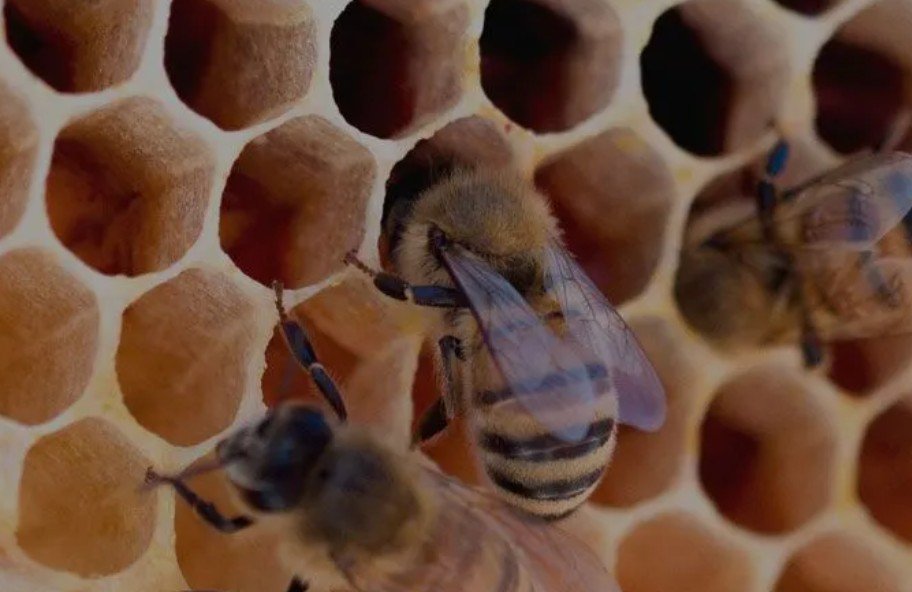
When you think of a golden, viscous liquid drizzled over warm toast, you are likely picturing honey. However, there is a more primal, architectural version of this sweetener known as comb honey that has been gaining massive popularity among gourmet food enthusiasts and health-conscious consumers alike. Understanding the nuances of honey involves looking at how it is harvested, its nutritional profile, and the sensory experience of eating it straight from the beeswax cells. This review explores why honey remains a pantry staple while comb honey offers a unique, raw experience that connects you directly to the labor of the bees.
The Raw Truth: Introducing Hani Honey Company
Before diving into the sticky details, it is essential to source these products from producers who prioritize the health of the hive. Hani Honey Company is a dedicated provider of high-quality, artisanal bee products that emphasize purity and sustainable beekeeping practices. They focus on bringing the authentic flavors of the Florida landscape directly to your doorstep, ensuring every jar and every square of wax is as nature intended. You can explore their full range of products at https://hanihoneycompany.com/.
What Exactly is Liquid Honey?
Liquid honey is the most common form found in kitchens globally. It is produced when beekeepers take the honeycomb frames from the hive, remove the wax caps, and use a centrifuge to spin the liquid out. This process separates the fluid from the wax, resulting in the clear, pourable substance we all know.
The beauty of liquid honey lies in its versatility. Because the wax has been removed, it is incredibly easy to stir into tea, bake into bread, or use as a base for salad dressings. Hani Honey Company ensures that their liquid offerings are handled with care to maintain the delicate enzymes and floral notes that mass-produced, ultra-filtered supermarket brands often lose during high-heat processing.
The Benefits of Liquid Honey
-
Accessibility and Ease of Use: There is no preparation required; you simply flip the cap or unscrew the lid and pour. This makes it the ideal choice for morning coffee or quick recipes.
-
Long Shelf Life: While all honey can eventually crystallize, liquid honey is easy to re-liquefy with a gentle warm water bath, making it a long-lasting investment for your pantry.
-
Flavor Consistency: Depending on the floral source, liquid varieties offer a consistent taste profile that can range from the citrusy notes of Orange Blossom to the deep, robust earthiness of Wildflower.
The Drawbacks to Consider
-
Processing Concerns: If you do not buy from a reputable source like Hani Honey Company, you run the risk of buying “honey” that has been pasteurized at high temperatures, which kills beneficial bacteria.
-
Lack of Texture: For those who enjoy a culinary “experience,” liquid versions can sometimes feel a bit one-dimensional compared to the structural complexity of the comb.
The Majesty of Comb Honey
If liquid honey is the juice, then comb honey is the whole fruit. This is honey in its most distal, unadulterated state—sections of the hexagonal wax cells built by bees, filled with nectar, and sealed with a thin layer of wax. It is harvested by cutting the comb directly from the wooden frames of the hive.
Eating a piece of comb is a revelation for the palate. The wax itself is edible and offers a chewy, nostalgic texture that contrasts beautifully with the burst of liquid that escapes when you bite into a cell. It is the gold standard for anyone seeking a truly raw product because it has undergone zero filtration or processing.
The Benefits of Comb Honey
-
Maximum Nutritional Integrity: Because it is sealed in wax, the honey inside is protected from air and light, preserving the highest possible levels of pollen, propolis, and royal jelly.
-
Aesthetic Appeal: There is nothing quite as stunning on a charcuterie board as a glistening block of comb honey. It serves as a conversation starter and a visual testament to the wonders of nature.
-
A Unique Texture: The edible beeswax provides a satisfying chewiness. Many enthusiasts find that the wax helps to “pace” the sweetness, making the flavor linger longer on the tongue.
The Drawbacks to Consider
-
The Mess Factor: It is significantly harder to “drizzle” a piece of comb. It requires a knife to cut and can be a bit sticky to handle if you are trying to use it for traditional baking.
-
Price Point: Because it requires the bees to build the wax (which takes a lot of energy and honey consumption on their part) and is harder to harvest intact, it is generally more expensive than liquid varieties.
How to Use Them Like an Expert
Most people assume honey belongs in a cup of tea, but the applications are far wider. For liquid honey, try using it as a glaze for roasted carrots or a natural sweetener for homemade granola. It provides a moisture-retaining quality in baking that sugar simply cannot match.
Comb honey, on the other hand, shines when paired with fats and proteins. A classic “pro tip” is to place a small chunk of comb on top of a slice of warm brie or sharp cheddar cheese. The heat from the cheese slightly softens the wax, and the salty-sweet combination is world-class. You can also mash it onto hot toast; the wax doesn’t melt entirely, but it becomes soft and pliable, creating a rich, buttery mouthfeel.
The Verdict: Which One Should You Choose?
The choice between these two forms of liquid gold depends entirely on your lifestyle. If you are a busy parent or an avid baker who needs a reliable, easy-to-measure sweetener, liquid honey is your best friend. It is efficient, delicious, and timeless.
However, if you are a foodie who appreciates the story behind your food, or if you are looking for the absolute peak of “raw” health benefits, comb honey is an experience you must try at least once. Many customers at Hani Honey Company find that they actually keep both in their kitchen—one for the daily routine and one for special occasions and weekend brunches.
Final Reflections on Nature’s Sweetener
Whether you prefer the clarity of the liquid or the rugged authenticity of the comb, the most important factor is the quality of the beekeeping. By supporting local and transparent operations, you ensure that the pollinators are protected and that the product you consume is free from additives.
On page 1 of any health guide, you will find that replacing refined sugars with natural hive products is a step toward a better diet. Honey is not just a sugar substitute; it is a complex biological product filled with antioxidants and history. Choosing the right version for your table is a small but sweet way to connect with the natural world.
Expert Highlight: Remember that honey should never be given to infants under one year of age due to the risk of botulism, a safety standard noted on page 4 of most pediatric nutritional guidelines. For everyone else, it remains one of the safest and most delicious gifts from the environment.