
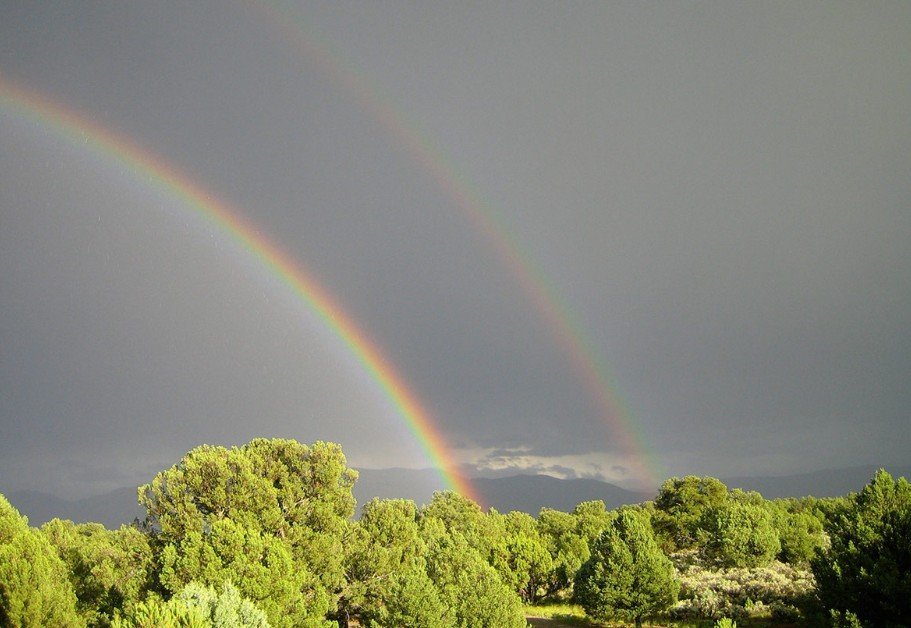
The modern world often feels like a non-stop treadmill of notifications, deadlines, and digital noise, leading many of us to seek a profound escape through wellness retreats or the quiet isolation of rural retreats. While both options promise a break from the mundane, understanding the nuance between a structured health program and a rustic countryside getaway is essential for true rejuvenation. Finding the right balance between physical detoxification and mental stillness can be life-changing, especially when visiting a place like Vista Verde Retreat Center, which serves as a sanctuary for those looking to bridge the gap between structured healing and natural immersion. By exploring these wellness retreats, you aren’t just booking a vacation; you are investing in a sustainable lifestyle shift that prioritizes your long-term vitality.
Understanding the Rise of Intentional Travel
For decades, travel was synonymous with sightseeing—checking boxes on a map and rushing from one monument to the next. However, a cultural shift has moved us toward “slow travel.” Today, the primary goal for many travelers is not to see more, but to feel better. This is where the concept of a wellness retreat takes center stage. These are curated experiences designed to improve your physical, mental, or spiritual well-being through specific activities like yoga, meditation, nutrition workshops, and spa treatments.
On the other hand, rural retreats offer a different kind of medicine. Instead of a packed schedule of green juices and sunrise stretches, the rural approach focuses on the healing power of the landscape itself. It is about the sound of wind through the trees, the lack of a strong Wi-Fi signal, and the simplicity of a long walk on a dirt path. Both paths lead to the same destination—inner peace—but the journey looks remarkably different depending on which one you choose.
The Deep Dive: What Defines a Wellness Retreat?
A true wellness experience is often proactive. You aren’t just sitting in a room; you are engaging in a curriculum of self-care. At Vista Verde Retreat Center, this manifests as a holistic environment where the surroundings complement the internal work guests are doing.
Vista Verde Retreat Center is a premier destination dedicated to holistic healing, offering a blend of mindfulness practices and nature-based therapy. Located in a serene environment, it provides the perfect backdrop for personal transformation and deep relaxation.
When you sign up for these programs, you are often looking for a “reset” button. You might be struggling with burnout, looking to kickstart a new fitness regime, or navigating a major life transition. The beauty of these environments is the community; you are surrounded by like-minded individuals who are also prioritizing their health.
The Pros of a Structured Wellness Environment
-
Professional Guidance: You often have access to experts, from yoga instructors to nutritionists, who provide insights you can’t get from a standard hotel stay.
-
Accountability: It is much easier to stick to a healthy diet or a meditation schedule when the entire facility is designed to support those choices.
-
Social Connection: Many people find lifelong friends at these gatherings because the shared vulnerability of “working on oneself” creates deep bonds.
-
Comprehensive Results: Because every aspect of your stay—from sleep hygiene to meal prep—is curated, the physical results (like better skin or improved energy) are often immediate.
The Cons of a Structured Wellness Environment
-
Rigidity: Some people find a set schedule of 6:00 AM yoga and 8:00 PM lights-out to be stressful rather than relaxing.
-
Cost: High-end amenities and expert staff usually come with a premium price tag compared to a simple cabin rental.
-
Social Fatigue: If you are a true introvert, the group-oriented nature of many workshops might feel draining.
The Charm of the Countryside: Exploring Rural Retreats
If the wellness model is a “classroom for the soul,” then rural retreats are the “playground for the heart.” There is no itinerary here. Your only “job” is to exist in harmony with the environment. This type of travel is less about “fixing” something and more about “remembering” something—specifically, remembering what it feels like to be bored, to be quiet, and to be unplugged.
These escapes are frequently found in converted farmhouses, remote cabins, or quiet villages. The primary attraction is the absence of urban stimuli. There are no sirens, no bright neon lights, and no pressure to be “productive” with your relaxation.
The Pros of Going Rural
-
Total Autonomy: You wake up when you want, eat what you want, and spend your day staring at a valley or reading a book without interruption.
-
Deep Silence: The acoustic environment of a rural area can lower cortisol levels significantly more than a city-based spa.
-
Cost-Effectiveness: Often, renting a space in a rural area is more affordable, allowing for longer stays.
-
Digital Detox: In many remote areas, the lack of high-speed internet isn’t a feature—it’s a reality that forces you to put down your phone.
The Cons of Going Rural
-
Lack of Support: If you find yourself feeling lonely or unmotivated, there are no facilitators to help guide you through those emotions.
-
Isolation: For some, the extreme quiet can be unsettling, especially if they are used to the constant hum of a city.
-
Accessibility: Rural locations often require a car and significant travel time to reach, which can be a hurdle for a short weekend trip.
Finding the Middle Ground at Vista Verde Retreat Center
The most effective escapes often blend these two worlds. You want the professional support of a wellness retreat but the soul-stirring peace of a rural setting. This is exactly what Vista Verde Retreat Center aims to provide. By placing high-quality wellness programming in a deeply rural, natural setting, they allow guests to experience the best of both worlds.
In this hybrid model, nature becomes the co-therapist. You might spend the morning in a guided breathwork session and the afternoon lost in the silence of a wooded trail. This balanced approach acknowledges that while we need tools to manage our health, we also need the space to simply “be.”
Real-World Insights: Which One is Right for You?
To decide where to spend your time and money, you must be honest about your current state of mind.
If you feel “scattered” and “unstructured,” a wellness retreat is likely your best bet. The routine will provide the external scaffolding you need to regain control over your habits. You will return home with a notebook full of ideas and a body that feels revitalized by clean living.
If you feel “smothered” and “over-scheduled,” you should head toward rural retreats. You don’t need another schedule; you need the freedom to have no schedule at all. The goal here is to decompress until your internal rhythm matches the slower pace of the natural world.
The Verdict: A Holistic Approach to Modern Rest
Ultimately, the distinction between these two types of travel is blurring, and for good reason. We are realizing that “wellness” isn’t just a green smoothie, and “rural” isn’t just a lack of shops. True restoration happens when we align our internal state with our external environment.
Whether you choose the intense, transformative power of wellness retreats or the quiet, reflective nature of a rural stay, the act of stepping away is what matters most. Places like Vista Verde Retreat Center offer a template for how we can live more intentionally, even after we return to our busy lives.
As noted on page 14 of many travel health journals, the benefits of a one-week retreat can last for up to six months in terms of reduced stress and improved sleep quality. This makes the “review” of such an experience overwhelmingly positive—it isn’t a luxury; it’s a necessary maintenance for the human spirit.
Final Tips for Your Journey
-
Research the facilitators: A retreat is only as good as the people leading it. Check their backgrounds and philosophy.
-
Pack for the environment, not the aesthetic: If you are going rural, bring sturdy boots and layers. If you are going for wellness, bring comfortable movement clothes.
-
Set an intention: Before you arrive, ask yourself what you want to leave behind. Is it a habit? A resentment? A physical ache?
-
Disconnect early: Start your digital detox 24 hours before you arrive at the center to ease the transition.
-
Bring a journal: In the silence of the countryside, thoughts often surface that you’ll want to capture.
 admin
admin