
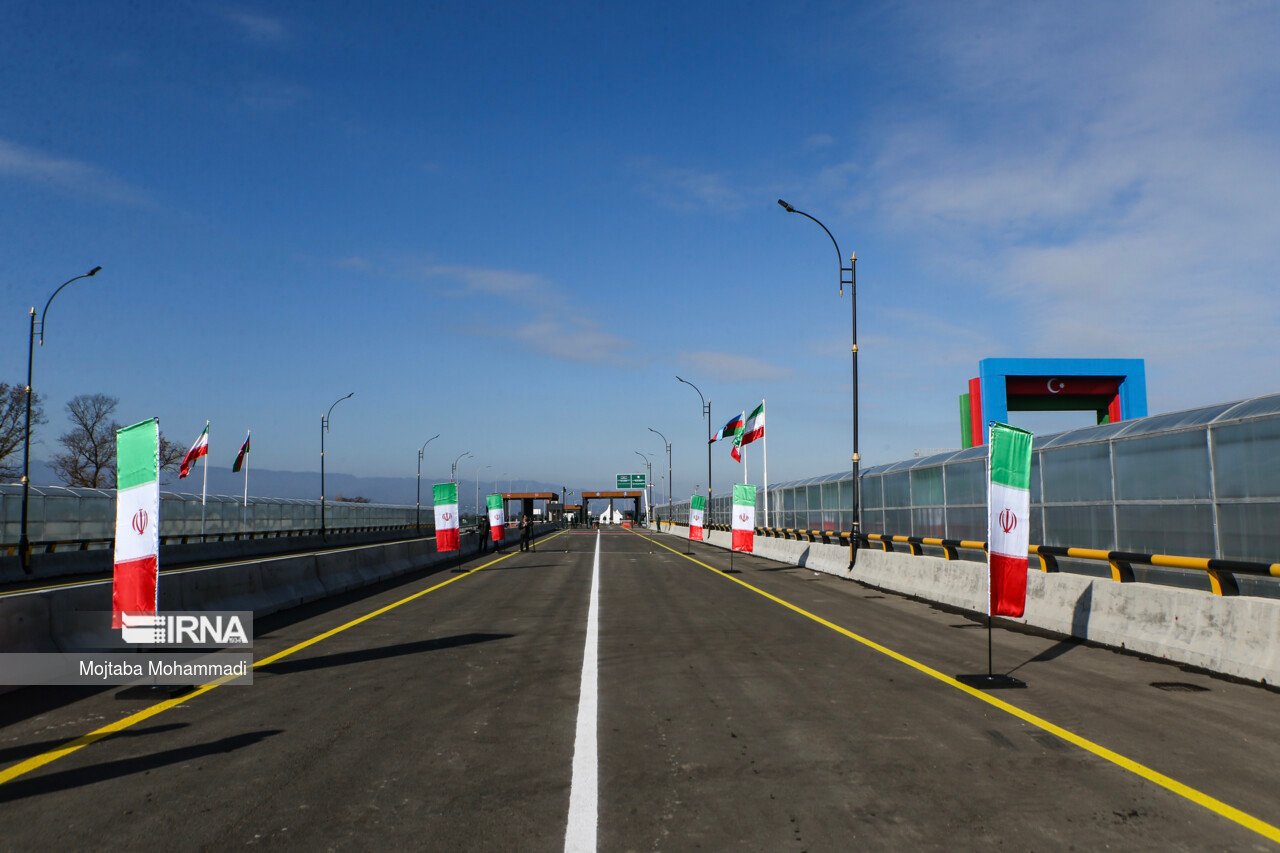
The astara border crossing sits right where Azerbaijan meets Iran, acting as a key gateway for people moving between these two nations. This spot draws travelers who seek adventure along the Caspian Sea coast or need to shift countries for work or family. In recent years, it has gained more attention due to its role in helping folks during tense times, like the 2025 Iran-Israel issues. If you plan to use this crossing, know it offers a straightforward path, but preparation makes all the difference. We will cover everything from getting there to what happens at the border, keeping things simple and clear.
What Makes the Astara Border Crossing Unique?
The astara border crossing gets its name from the towns on both sides—Astara in Azerbaijan and Astara in Iran. These places share a bridge over the Astarachay River, making it easy to walk from one country to the other. Unlike some borders with long waits or complex rules, this one often feels calm, especially if you avoid peak truck times.
History plays a big part here. The border traces back to old trade routes along the Silk Road, where merchants swapped goods like silk and spices. Today, it handles modern traffic, from tourists to trucks carrying exports. In 2020, Azerbaijan closed land borders due to health concerns, but by 2025, it reopened for specific cases, like evacuations. Data from customs show over 350 trucks pass daily now, thanks to new agreements between Iran and Azerbaijan. This boost came after talks in December 2025, aiming to cut congestion and speed up trade.
Travelers love this spot for its coastal views. The Caspian Sea lies nearby, offering a scenic drive before or after crossing. But remember, rules can change fast, especially with regional tensions. Always check updates from reliable sources.
Preparing for Your Trip to the Astara Border Crossing
Before you head to the astara border crossing, gather your basics. Start with your passport—it must be valid for at least six months beyond your stay. Visas matter too. Azerbaijan offers e-visas online for many nationalities, taking just a few days. Iran requires visas in advance, often through embassies or approved agents. If you hold dual citizenship, Iran sees you as Iranian only, which can add steps like exit permits.
Pack light but smart. Bring proof of vaccinations if needed, though COVID rules have eased by 2026. Carry cash in local currencies—Azerbaijani manat (AZN) and Iranian rial (IRR)—since ATMs might not work near the border. Exchange money wisely; rates in town beat those at the crossing.
Consider the weather. Summers get hot, over 30°C (86°F), while winters dip to freezing with rain. Dress modestly, especially on the Iranian side, where women need headscarves. Men should avoid shorts. These small steps show respect and ease your passage.
How to Reach the Astara Border Crossing from Azerbaijan
Getting to the astara border crossing from the Azerbaijani side starts in Baku, the capital. Most folks take shared taxis, which are affordable and direct.
Here’s how in simple steps:
- Find your ride: Head to the intersection of Rovshen Ceferov and Asif Maharramov streets in Baku. Look for the H Petrol station—taxis gather there. Hotel staff can point you right.
- Haggle the price: For a seat in a shared car (up to four people), pay 20-25 AZN. Push for 20 AZN if you bargain well. The drive lasts about three hours.
- Enjoy the route: You pass smooth roads along the Caspian coast, then turn inland to hills. Signposts guide you clearly.
- Arrive in Astara: The taxi drops you near the bazaar, close to the green government door with Azerbaijan’s emblem.
If you prefer trains, Baku has connections to Astara, but they run less often. Buses exist too, but taxis offer more flexibility. For groups, rent a car—roads stay in good shape.
Once at the border, the driver might help with guards. They check papers before you enter the terminal.
Crossing from Iran to the Astara Border Crossing
From the Iranian side, Tehran serves as the main hub. Buses and taxis make the trip straightforward.
Follow these steps:
- Bus from Tehran: Catch a daily bus from West Terminal to Baku via Astara. It costs about $15 and takes 24 hours. For shorter rides, buses to Astara run 4.5 hours.
- Taxi option: From the same terminal, grab a shared taxi for $40, cutting time to 3.5 hours.
- Local tips: Walk from Azadi Metro to the taxi stand. Buses feel comfy, with stops for food.
- At Astara (Iran): The town buzzes with markets. Walk to the border—no extra transport needed.
Iran’s side features exchange offices with fair rates. Avoid street changers to dodge poor deals.
Step-by-Step Guide to Crossing the Astara Border
The astara border crossing process stays simple, but follow rules to avoid delays. It opens 24/7, so time your trip for less crowds, like early morning.
From Azerbaijan to Iran
- Enter Azerbaijan terminal: Show your passport and Iran visa. Guards stamp you out.
- Customs check: Officials scan bags. Declare no alcohol—explain any liquids like lotion.
- Cross the bridge: Walk over the Astarachay River. Women, put on a headscarf here.
- Iran side entry: Head to the shack for paper checks. Women verify docs first.
- Health scan: Show vaccination proof if asked. They take your temperature.
- Immigration: Hand over passport. Wait for stamps—dual citizens, ask to stamp visa paper only.
- Final scan: X-ray bags, then exit.
Expect 1-2 hours total, longer if questioned. Officials stay helpful, often offering tea.
From Iran to Azerbaijan
- Pay fees if needed: Iranian exit tax applies to some.
- Customs on Iran side: Declare vehicles if driving. Pay 4 AZN on Azerbaijan side—keep receipt.
- Walk the bridge: Guards check docs.
- Azerbaijan immigration: Present visa. Friendly staff help.
- Vehicle notes: If using a Carnet de Passage, tell guards. Watch for scammers demanding extra cash.
Note: Azerbaijan restricts entry since 2020, but allows exits. For entry, get special approval, especially during conflicts.
Required Documents and Visa Insights
Don’t skip docs—they speed your crossing.
- Passport: Valid six months past entry.
- Visas: Azerbaijan e-visa ($20-25, online). Iran visa (varies by nationality, $50-150).
- Other: Exit permit for long Iran stays. Carnet for vehicles.
- Special cases: US citizens need authorization for Azerbaijan entry via Astara, per 2025-2026 alerts. Email embassies for help.
Stats show 90% of crossings go smooth with proper papers. Missing one? You might turn back.
Costs Involved in the Astara Border Crossing
Budget smart—costs add up but stay low.
- Transport: Baku-Astara taxi: 20-25 AZN. Tehran-Astara bus: $15.
- Customs fees: 4 AZN for vehicles on Azerbaijan side.
- Exchange: Avoid border rates (e.g., 310,000 IRR/$1 vs. 360,000 in town).
- Other: Exit tax in Iran (varies), headscarf if needed ($5-10).
Total for solo traveler: $50-100, including rides.
Transportation Options After Crossing
Once through, keep moving.
- From Azerbaijan Astara: Shared taxis to Baku (20 AZN).
- From Iran Astara: Taxis to Tehran ($40), buses to Rasht or Ardabil.
- No buses at border: Negotiate private cars if alone. Overnight in Astara if late.
For bikes or cars, declare properly. Cyclists sometimes get sea permits.
Safety and Security at the Astara Border Crossing
Safety ranks high here, but stay alert. The astara border crossing saw increased use in 2025 for evacuations during Iran-Israel tensions. US alerts warned of risks like arrests in Iran, urging quick exits.
Reassuring tips:
- For US citizens: Get special authorization from US Embassy Baku. Send passport details to BakuACS@state.gov.
- General advice: Avoid solo night crossings. Watch bags—scammers rare but possible.
- Health: Stock water, meds. Internet outages happen in Iran—use offline maps.
- Recent stats: Over 100 foreigners crossed daily in June 2025 peaks, with embassy help.
Borders stayed open, but check advisories. Azerbaijan aided EU, Chinese, and others safely.
For more on safety, see the US security alert on land borders.
Potential Challenges and How to Overcome Them
Issues pop up, but solutions exist.
- Questioning: If your passport shows visits to Afghanistan or Iraq, expect 1-2 hours. Stay calm, answer honestly.
- Congestion: Trucks slow things—go early. 2025 agreement caps at 350-370 daily.
- Currency traps: Change in town markets for best rates.
- Weather delays: Rain slicks bridges—carry umbrellas.
- Language: Use apps or basic Russian/Farsi words. Drivers often translate.
Travelers report friendly guards, making hurdles minor.
Tips for a Smooth Astara Border Crossing Experience
Make your trip easier with these pointers.
- Pack essentials: Snacks, charger, copies of docs.
- Connect locally: Get driver’s WhatsApp for help.
- Cultural respect: Learn greetings— “salam” works both sides.
- Update checks: Use sites like Caravanistan for border info.
- Solo travelers: Join groups via forums for shared rides.
One traveler shared: “The crossing felt welcoming—tea and chats eased the wait.” (From a 2022 report, updated 2026.)
For personal stories, read this traveler’s account of the Azerbaijan-Iran crossing.
Exploring Nearby Areas Around Astara
After crossing, explore.
In Azerbaijan Astara: Visit the bazaar for fresh fruits, tea. The railway station shows cross-border action.
In Iran Astara: Coastal walks, markets with spices. Head to Rasht for rice fields.
Stats: Astara sees 10,000 tourists yearly, drawn to its mix of cultures.
Recent Updates on the Astara Border Crossing in 2026
As of January 2026, the border runs smoothly post-2025 conflicts. Azerbaijan facilitates entries with approvals. Truck limits hold, reducing waits. No major closures reported.
Watch for internet issues in Iran—plan alternatives.
FAQs About the Astara Border Crossing
Is the astara border crossing open 24/7?
Yes, but aim for daytime to avoid quiet hours.
What documents do I need?
Passport, visas, possible vaccination proof.
Can US citizens cross easily?
With authorization—contact embassies.
How much does transport cost?
Taxis: 20-40 AZN/USD equivalent.
Is it safe during tensions?
Yes, with prep; follow alerts.
Conclusion
The astara border crossing offers a reliable link between Azerbaijan and Iran, blending history, trade, and travel. From shared taxis to bridge walks, it provides an accessible path for adventurers and evacuees alike. Recent agreements and embassy support make it even better in 2026. Prepare docs, respect rules, and enjoy the journey. What’s your next border adventure—have you crossed Astara before?
References
- Adventures of Lil Nicki: Detailed personal crossing guide, focused on practical steps for backpackers and solo travelers.
- Caravanistan: Comprehensive border info, useful for overland planners and vehicle owners.
- US Virtual Embassy Iran: Security alerts, key for US citizens and those in high-risk areas. Audience insights: This article targets overland travelers, tourists exploring the Caspian region, and individuals needing evacuation routes during regional conflicts. Readers often seek simple, actionable advice with safety focus, based on traveler forums and alerts.