
Your skin is the largest organ in your body. It protects you every single day. But how often do you think about taking care of it? Most people only visit a dermatologist Irvine CA when something goes wrong. A rash appears. Acne gets worse. Or a suspicious mole shows up. But here’s the thing. Your skin needs regular attention just like your teeth or your heart. Whether you need medical treatment or cosmetic care, finding the right dermatology Mission Viejo CA provider makes all the difference. This guide will help you understand what to look for and why choosing the right practice matters.
Understanding What Dermatologists Do
Many people think dermatologists only treat acne. That’s not the full picture. These doctors handle a wide range of conditions. They diagnose and treat skin cancer, including basal cell carcinoma, squamous cell carcinoma, and melanoma. They manage chronic conditions like eczema and psoriasis. They remove cysts, lipomas, and skin tags. They also perform cosmetic procedures like Botox, chemical peels, and laser treatments. A board-certified dermatologist has years of training. They complete medical school, a dermatology residency, and often additional specialized training. This education means they can spot problems you might miss. They know the difference between a harmless freckle and something that needs immediate attention. When you visit a dermatologist in Irvine CA, you’re not just getting a skin check. You’re getting peace of mind.
Why Location Matters for Your Skin Care
Living in Orange County gives you access to excellent medical care. But convenience matters too. If your dermatologist is 45 minutes away, you might skip appointments. You might delay that skin check you’ve been meaning to schedule. That’s why finding dermatology Mission Viejo CA services close to home makes sense. Regular skin checks are important. The American Academy of Dermatology recommends annual full-body skin exams for most adults. People with a history of skin cancer or many moles need more frequent visits. When your dermatologist is nearby, these appointments fit easily into your routine. You can stop by during lunch. You can schedule around your kids’ activities. Easy access means better care.
Medical Dermatology Services You Might Need
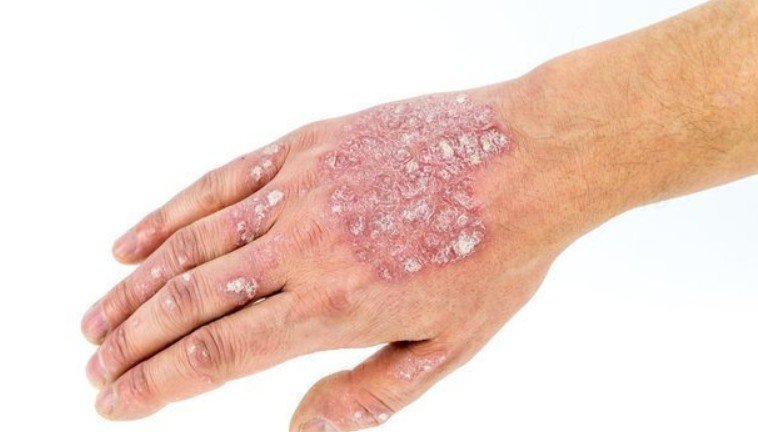
Medical dermatology covers a lot of ground. Acne treatment is common, especially for teens and young adults. But adult acne happens too. A dermatologist can prescribe stronger medications than over-the-counter products. They can also perform procedures like chemical peels or laser treatments. Skin cancer detection and treatment is another critical service. California’s sunny weather means higher skin cancer rates. Early detection saves lives. Dermatologists use various methods to remove skin cancer, including Mohs surgery, which removes cancer with minimal damage to healthy tissue. Chronic skin conditions require ongoing management. Eczema causes red, itchy patches. Psoriasis creates scaly skin plaques. Both conditions respond to treatment, but you need a doctor who understands your specific situation. Other common issues include wart removal, cyst extraction, and treatment for rosacea. These might seem minor, but they affect your quality of life. A good dermatologist takes all your concerns seriously.
Cosmetic Dermatology Options Available
Not all dermatology visits are about medical problems. Many people seek cosmetic treatments. These procedures can boost your confidence and help you feel better about your appearance. Injectables like Botox and Dysport reduce fine lines and wrinkles. They work by relaxing facial muscles. Results last three to six months. Dermal fillers like Juvederm, Restylane, and Voluma add volume to your face. They can smooth nasolabial folds, plump lips, or restore fullness to your cheeks. Laser treatments serve many purposes. Laser hair reduction offers a long-term solution for unwanted hair. Laser resurfacing improves skin texture and reduces scars. IPL treatments target sun damage and age spots. Chemical peels exfoliate your skin at different depths. Light peels brighten your complexion. Deeper peels address more serious concerns like acne scars. Micro-needling stimulates collagen production. This helps with fine lines, enlarged pores, and acne scars. The procedure uses tiny needles to create controlled micro-injuries. Your skin responds by healing itself and looking fresher.
What Makes a Dermatology Practice Stand Out
Not all dermatology practices offer the same experience. Several factors separate good practices from great ones. Board certification matters most. This means the dermatologist passed rigorous exams and maintains continuing education. Multiple locations show an established practice. It also means more appointment options. If one office is booked, another might have openings. Experience counts too. A practice with decades of combined experience has seen almost everything. They can diagnose unusual conditions. They know which treatments work best. Patient education is another key factor. Good dermatologists explain your condition clearly. They discuss treatment options. They answer your questions without rushing. You should never feel confused about your own care. Advanced technology improves results. Modern laser systems, digital skin analysis tools, and the latest surgical techniques all make a difference. But technology without skill is useless. You need both.
About Coastal Dermatology & Plastic Surgery
Coastal Dermatology & Plastic Surgery brings together six experienced physicians who have practiced in Los Angeles and Orange Counties for over 45 years combined. The practice includes board-certified dermatologists and a board-certified plastic surgeon trained at institutions like Stanford, Yale, UCLA, UCI, and UCSD. They offer comprehensive skin care from multiple convenient locations including Los Alamitos, Huntington Beach, Tustin, and Mission Viejo.
Specialized Skin Cancer Treatment
Skin cancer is the most common cancer in the United States. One in five Americans will develop skin cancer in their lifetime. California’s sunny climate increases your risk. That’s why expert treatment matters so much. Basal cell carcinoma grows slowly and rarely spreads. But it still needs removal. Left untreated, it can damage surrounding tissue. Squamous cell carcinoma is more aggressive. It can spread to other parts of your body if not caught early. Melanoma is the deadliest form of skin cancer. Early detection is critical. When caught early, the five-year survival rate exceeds 99 percent. Dermatologists use several methods to treat skin cancer. Surgical excision removes the cancer plus a margin of healthy tissue. Mohs surgery removes cancer layer by layer, checking each layer under a microscope. This technique saves the most healthy tissue while ensuring complete cancer removal. Cryotherapy freezes some precancerous lesions and small skin cancers. Topical medications can treat certain types of superficial skin cancer. Your dermatologist will recommend the best option for your specific situation.
Common Skin Conditions and Their Treatments
Beyond skin cancer, many conditions bring people to dermatologists. Cysts are pockets of tissue filled with fluid, pus, or other material. They’re usually harmless but can become infected. Dermatologists can remove them surgically. Lipomas are benign fatty lumps under your skin. They’re soft and movable. While not dangerous, many people want them removed for cosmetic reasons or if they cause discomfort. Eczema creates inflamed, itchy skin. It often runs in families. Treatment includes moisturizers, prescription creams, and avoiding triggers. Psoriasis causes skin cells to build up rapidly, forming scales and red patches. It’s an autoimmune condition. Treatment options range from topical medications to systemic drugs and light therapy. Skin tags are small, soft growths that hang off your skin. They’re harmless but annoying. A dermatologist can remove them quickly during an office visit. Warts are caused by the human papillomavirus. They’re contagious and can spread. Treatment options include freezing, burning, or applying medication. Acne affects people of all ages. Mild acne might respond to over-the-counter treatments. Moderate to severe acne needs prescription medication. Options include topical retinoids, antibiotics, and oral medications like isotretinoin.
The Consultation Process: What to Expect
Your first dermatology appointment sets the stage for your care. Here’s what typically happens. You’ll fill out paperwork about your medical history. Include information about medications, allergies, and previous skin problems. Be honest. This information helps your doctor provide better care. The dermatologist will ask about your concerns. Explain what brought you in. Mention any symptoms like itching, pain, or changes in your skin. A full-body skin exam is often part of the visit. You’ll wear a gown. The dermatologist checks your skin from head to toe. This catches problems you might not see yourself. If something looks suspicious, the doctor might perform a biopsy. This involves removing a small piece of tissue for laboratory testing. The procedure is quick and uses local anesthesia. Results usually come back within a week. After the exam, you’ll discuss findings and treatment options. Ask questions. Make sure you understand the plan. If you need a procedure, the staff will schedule it and explain how to prepare.
Insurance and Payment Considerations
Medical dermatology visits are usually covered by health insurance. This includes skin cancer screenings, treatment for conditions like eczema or psoriasis, and removal of problematic cysts or lesions. Cosmetic procedures are different. Insurance typically doesn’t cover Botox, fillers, laser hair removal, or other appearance-focused treatments. You’ll pay out of pocket for these services. Before any procedure, ask about costs. Get a written estimate. Find out what’s included. Are follow-up visits covered in the price? What about touch-ups? Some practices offer payment plans for cosmetic procedures. This spreads the cost over several months. It makes treatments more affordable. Check if your dermatologist is in your insurance network. Out-of-network providers cost more. Your insurance might not cover anything, or you might face higher copays and deductibles. Call your insurance company before your first visit. Verify coverage. Ask about copays and deductibles. This prevents surprise bills later.
Preventive Care for Healthy Skin
Prevention beats treatment every time. Here’s how to keep your skin healthy. Wear sunscreen daily. Use SPF 30 or higher. Apply it to all exposed skin, even on cloudy days. Reapply every two hours when outside. Don’t use tanning beds. They increase skin cancer risk dramatically. They also age your skin prematurely. Check your skin monthly. Look for new moles or changes in existing ones. Use a mirror to check hard-to-see areas. Take photos to track changes over time. See your dermatologist annually for a professional skin check. More frequent visits make sense if you have risk factors like fair skin, many moles, or a family history of skin cancer. Moisturize regularly. This keeps your skin barrier healthy. Choose products appropriate for your skin type. Stay hydrated. Drinking water helps your skin stay plump and healthy. Eat a balanced diet rich in fruits and vegetables. Certain nutrients support skin health. Don’t smoke. Smoking damages your skin and accelerates aging. It also increases your risk of certain skin conditions. Manage stress. High stress levels can trigger or worsen conditions like acne, eczema, and psoriasis.
Advanced Treatment Technologies
Modern dermatology uses advanced technology to improve results and reduce recovery time. Laser systems can target specific skin concerns. Different wavelengths treat different problems. Some remove hair. Others reduce pigmentation. Still others stimulate collagen for anti-aging effects. Intense pulsed light therapy treats sun damage, age spots, and rosacea. The light energy converts to heat, destroying unwanted pigment and blood vessels. Cryotherapy uses extreme cold to destroy abnormal tissue. It’s effective for warts, precancerous lesions, and some skin cancers. Electrosurgery uses electrical current to remove growths or stop bleeding during procedures. It’s precise and controlled. Photodynamic therapy combines a light-sensitive medication with specific light wavelengths. It treats certain types of skin cancer and precancerous lesions. Digital imaging helps track moles and skin changes over time. Some systems use artificial intelligence to identify suspicious lesions. These technologies don’t replace a skilled dermatologist. They’re tools that help doctors provide better care. The best practices combine cutting-edge technology with experienced medical judgment.
Scheduling Your Appointment
Ready to see a dermatologist? Here’s how to get started. Call the office directly. Explain your main concern. Ask about wait times for new patient appointments. Some practices book weeks or months ahead. Others offer quicker appointments. If your concern is urgent like a rapidly changing mole, mention it. Many practices can accommodate urgent cases. Ask about office locations and hours. Choose the most convenient option for you. Multiple locations mean more flexibility. Find out what to bring. Most practices want your insurance card, photo ID, and any relevant medical records. Make a list of medications you take. Include prescriptions, over-the-counter drugs, and supplements. Write down questions before your appointment. You’ll forget things in the moment. A list ensures you get all your concerns addressed. Plan to arrive 15 minutes early for paperwork. New patient forms take time. Give yourself enough buffer so you’re not rushed.
Real Patient Experiences Matter
Reviews and testimonials offer insight into what to expect. Look for patterns. If multiple people mention friendly staff, that’s a good sign. If several reviews complain about long wait times, take note. Pay attention to how practices respond to negative reviews. Professional, caring responses show a commitment to patient satisfaction. Defensive or dismissive responses are red flags. Ask friends and family for recommendations. Personal referrals carry weight. Someone you trust had a good experience at a specific practice? That’s valuable information. But remember that everyone’s needs differ. A practice perfect for your friend might not suit you. That’s okay. The goal is finding the right fit for your specific situation. Many practices now offer virtual consultations. This can be a good way to meet a dermatologist and see if you’re comfortable with them before committing to an in-person visit.
Making the Most of Your Dermatology Visit
Preparation helps you get more from each appointment. Take photos of any concerning spots before your visit. This helps you remember where they are. It’s easy to forget in the exam room. Remove nail polish. Dermatologists check your nails during skin exams. Polish hides potential problems. Skip makeup if possible. This allows better examination of your face. If you must wear makeup, bring remover. Be ready to discuss your full medical history. Some conditions and medications affect your skin. Your dermatologist needs the complete picture. Don’t minimize symptoms. If something bothers you, mention it. What seems minor to you might be significant medically. Take notes during your appointment. You’ll remember recommendations better. Or bring someone with you to help listen. Before you leave, make sure you understand your treatment plan. Know when to schedule follow-up appointments. Get instructions in writing if possible. If you’re prescribed medication, ask about side effects. Find out how long until you should see results. Know what to do if the treatment doesn’t work.
When to Seek Immediate Care
Most skin concerns can wait for a scheduled appointment. But some situations need prompt attention. Any spot that bleeds without injury deserves quick evaluation. This applies especially to non-healing sores. Rapidly changing moles need immediate assessment. Look for changes in size, shape, color, or texture. Any new growth that appears after age 30 and grows quickly should be checked soon. Severe allergic reactions require emergency care. Signs include difficulty breathing, swelling of the face or throat, and widespread hives. Sudden, severe skin pain might indicate infection. This is especially true if accompanied by fever, red streaks, or swelling. Blistering rashes that spread rapidly need prompt evaluation. They might indicate serious conditions requiring immediate treatment. When in doubt, call your dermatologist’s office. Staff can help you decide if you need an urgent appointment or can wait for a regular visit.
The Future of Dermatology Care
Dermatology continues to evolve. New treatments emerge regularly. Biologics now treat severe psoriasis and eczema. These medications target specific parts of the immune system. They offer relief when other treatments fail. Artificial intelligence helps identify skin cancer. Computer programs analyze images and flag suspicious lesions. This technology supports dermatologists but doesn’t replace their expertise. Telemedicine expanded during recent years. Virtual visits work well for follow-ups and simple concerns. They save time and make care more accessible. But they have limits. Some conditions need in-person examination. Genetic testing helps identify skin cancer risk. People with high risk can increase screening frequency and take extra precautions. New laser technologies continue to improve. Treatments become more effective with less downtime. This trend will likely continue. Despite these advances, the core of dermatology remains unchanged. It’s about building a relationship with a doctor who knows your skin, understands your concerns, and helps you maintain healthy skin for life.
Making Your Decision
Choosing a dermatology practice is an important healthcare decision. Consider all the factors. Board certification, experience, locations, services offered, and patient reviews all matter. Don’t rush. Take time to research options. Call different offices. Ask questions. Get a feel for the practice. Remember that you’re not locked into one provider forever. If a practice doesn’t meet your needs, you can switch. Your skin health is too important to settle for less than excellent care.
The providers at Coastal Dermatology & Plastic Surgery understand that every patient has unique needs and concerns. With offices throughout Orange County and decades of combined experience, they’re equipped to handle everything from routine skin checks to complex surgical procedures. Whether you need medical treatment for a skin condition or cosmetic enhancement, having access to experienced, board-certified professionals makes all the difference in achieving the best possible outcomes for your skin health.