
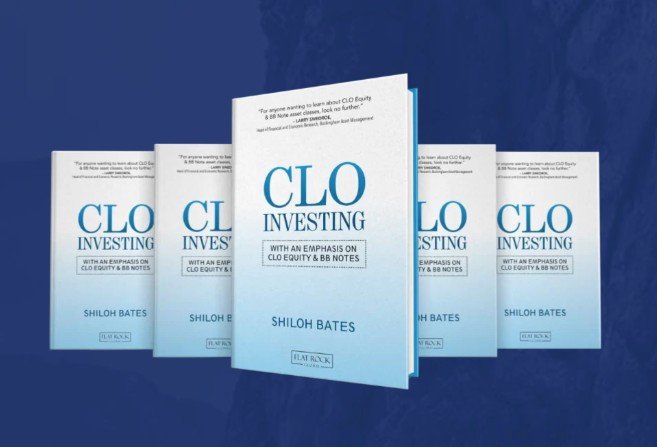
CLO equity firms are companies that invest in and manage collateralized loan obligations (CLOs). A CLO is a financial product that bundles together corporate loans. CLO sector investing means putting your money into these types of investments. Think of it like buying a piece of a large basket of loans. When companies pay back those loans, you get income. These investments can offer solid returns. But first, you need to understand how they work.
The credit market is massive. It totals over one trillion dollars. Yet many investors ignore it. They stick with stocks and bonds. That’s a mistake. CLOs offer something different. They provide steady income. They also offer protection when the economy shifts. This guide explains everything you need to know about CLO equity firms and how CLO sector investing works.
What Are CLO Equity Firms?
CLO equity firms manage investments in collateralized loan obligations. These aren’t your typical investment companies. They focus on a specific niche. They study credit markets deeply. They pick the best loan investments.
Here’s how it works. A CLO equity firm buys corporate loans. These loans go into a special pool. The pool gets divided into layers. The top layers get paid first. The bottom layers take more risk. But they earn higher returns.
CLO equity firms manage these structures. They decide which loans to buy. They monitor performance. They handle payments to investors. Flat Rock Global is one example. Founded in 2016, Flat Rock Global is an employee-owned boutique credit manager with $1.6 billion in assets under management as of September 2025. The firm focuses on middle-market loans and CLO equity investments.
Companies like Flat Rock Global believe in the long-term value of first lien senior secured loans. They use a slow-growth approach. They pick investments carefully. This strategy has worked well for investors.
The Basics of CLO Sector Investing
CLO sector investing isn’t complicated once you know the pieces. It all starts with corporate loans. Banks make these loans to companies. These companies need money to grow. They pay interest on these loans.
Banks don’t always keep these loans. They sell them to investors. This is where CLO equity firms come in. They buy these loans. They group them together. Then they sell shares to other investors.
Here’s what makes CLO sector investing interesting. The loans are secured. That means the company pledged something as collateral. If the company fails to pay, investors can take that collateral. This protection matters. It reduces risk.
The typical CLO has a portfolio of 100 to 150 loans. These loans go to different industries. Some go to healthcare. Some go to technology. Some go to manufacturing. This spread reduces risk. If one industry struggles, others keep performing.
Flat Rock Global manages different types of CLO investments. The firm’s Flat Rock Opportunity Fund focuses specifically on CLO equity. This fund had $489 million in assets under management with a 14.81% distribution rate as of September 2025. That’s meaningful income for investors.
How CLO Equity Differs From Other CLO Investments
Not all CLO investments are the same. Think of a CLO like a building. There are different units at different levels. The highest units get first claim on payments. The lowest units get paid last. But they earn the most.
CLO equity sits at the very bottom. It takes the most risk. But it earns the highest returns. This is what CLO equity firms focus on. They bet that the loans will perform well. If they do, equity investors win big.
CLO debt is the middle and top layers. These investments are safer. Banks and insurance companies often buy them. But returns are lower. You get paid first, but you earn less.
Equity investors need to understand this trade-off. Higher risk means higher potential returns. But it also means you could lose money. That’s why picking the right CLO equity firm matters. You need managers who know the credit market inside and out.
Benefits of CLO Sector Investing
There are several good reasons to consider CLO sector investing. First, it provides income. When loans get paid off, you get your share. Distribution rates vary. But many CLO equity investments pay 10% to 15% annually. That’s much higher than bonds or savings accounts.
Second, CLO investments offer diversification. Your money spreads across many loans. It spreads across industries. It spreads across company sizes. This reduces the impact of any single failure. One bad loan won’t kill your investment.
Third, CLO sector investing has a specific structure. Senior debt gets paid first. That creates a safety net for equity investors. As long as loans perform reasonably well, you get paid.
Fourth, the credit market is less crowded. Fewer retail investors understand CLOs. That means less competition. Experienced CLO equity firms can find better deals. They have relationships with loan originators. They access deals others miss.
Finally, CLOs have a fixed maturity. Most last about seven to ten years. This gives you an endpoint. You know when your investment concludes. That’s different from stocks. You never know when to sell a stock.
Flat Rock Global has built its reputation on this strategy. The firm takes a selective approach. It focuses on high-quality credit. Its Core Income Fund had $424 million in assets under management with a 9.38% distribution rate. That demonstrates real investor confidence.
Understanding the Risks in CLO Sector Investing
CLO sector investing isn’t risk-free. You need to understand what could go wrong. If companies fail to pay their loans, the entire CLO struggles. Equity investors feel the pain first. The equity layer absorbs losses before senior debt.
Economic downturns hit CLOs hard. When recession comes, companies cut back. They might stop paying. Multiple defaults can wipe out equity. This happened during 2008 and 2009. Many equity investors lost money.
Interest rates matter too. When rates rise, loan values fall. That impacts returns. CLO equity can be volatile. Your distribution rate might jump around. You need to stomach that volatility.
Market liquidity is another concern. You can’t easily sell CLO equity on a public exchange. Most CLO investments require you to hold for months. Some take years. That ties up your money.
Manager quality is critical. Bad managers make bad decisions. They pick poor loans. They miss problems. They mismanage structures. Your returns depend entirely on the CLO equity firm you choose. Research the manager. Check their track record. Look at their experience.
Pros and Cons of CLO Equity Firm Investments
Pros of investing through CLO equity firms:
The income is consistent when loans perform. You get regular distributions. The credit market offers returns stocks and bonds can’t match. CLO equity firms handle all the hard work. You don’t pick individual loans. Diversification is built in. One default won’t destroy your investment. The structures provide downside protection. Senior debt holders take losses before you do.
Cons of investing through CLO equity firms:
Equity sits at the bottom. You absorb losses first when defaults rise. Volatility can be significant. Your returns might swing 10% year to year. Liquidity is limited. You might not access your money immediately. Recessions hit equity hard. Understand what happens when the economy weakens. Fees matter. Some CLO equity firms charge high fees. That reduces your returns. You depend on manager skill. One bad manager decision hurts everyone.
What to Look For in a CLO Equity Firm
Choose a CLO equity firm carefully. First, check their experience. How long have they managed CLOs? Have they survived economic downturns? Flat Rock Global’s track record shows the firm has navigated multiple market cycles since 2016.
Second, examine their philosophy. Do they take excess risk for higher fees? Or do they focus on sustainable returns? Good CLO equity firms prioritize long-term client success.
Third, look at their team. Who makes investment decisions? What are their credentials? Do they have deep credit experience? The best managers spent decades in credit markets.
Fourth, check their track record. What returns did they generate? How did they perform during downturns? Were returns consistent? Marketing materials tell only part of the story. Look at actual results.
Fifth, understand their fees. Lower fees mean more money in your pocket. Some CLO equity firms charge 1% annually. Others charge 2% or more. That difference adds up.
Sixth, ask about their process. How do they select loans? How do they monitor performance? Do they actively manage or passively hold? Active managers can add value. But they need skill.
Finally, check if they’re honest about risks. Any CLO equity firm that guarantees returns is lying. Real managers explain what could go wrong. They discuss downside scenarios. You need this honesty to make good decisions.
Real-World Examples of CLO Sector Performance
Let’s look at how CLO equity performs in different environments. During normal times, CLO equity earns the promised distribution. Companies pay their loans. Defaults stay low. Investors get steady 10% to 15% returns.
In 2023 and 2024, CLO equity did well. The credit market was healthy. Loan defaults remained moderate. Companies had access to capital. Equity investors received strong distributions. Many funds maintained their payment rates.
But history shows what happens in crisis. During 2008 and 2009, CLO equity crashed. Companies couldn’t pay loans. Defaults spiked. Equity holders lost 50% to 90% of their investment. Recovery took years. Many never fully recovered.
This demonstrates the risk-reward trade-off. When credit is good, equity soars. When credit turns bad, equity plummets. You must be prepared for both scenarios.
Flat Rock Global’s Enhanced Income Fund focuses on middle-market CLO BB notes. This fund had $668 million in assets under management with a 9.05% distribution rate as of September 2025. The fund’s specific focus on BB notes shows a selective approach to risk management.
Is CLO Sector Investing Right for You?
Not everyone should invest in CLO equity. Consider these questions. Can you afford to lose this money? If you need the funds within five years, skip CLOs. Can you handle volatility? Returns will fluctuate. Some years might see 20% gains. Other years might see 5% losses.
Do you have other investments? CLO equity shouldn’t be your only holding. It works best as part of a diversified portfolio. Maybe 10% to 20% of your allocation. How much do you understand about credit? If the concept confuses you, learn more before investing.
What’s your time horizon? Longer horizons work better. You can wait out downturns. Short-term investors should avoid CLO equity. Do you trust the manager? That’s the biggest question. Your entire return depends on their skill. Make sure you believe in them.
If you answer yes to most of these questions, CLO sector investing might fit your portfolio. Talk to a financial advisor. Get their perspective. They know your full situation.
Working With Specialized CLO Equity Firms
The best approach is working with experienced CLO equity firms. These companies handle complexity. They do the credit analysis. They monitor loans. They navigate structures. You simply invest and receive distributions.
Flat Rock Global demonstrates this approach. The firm offers specialized funds for CLO equity. The Opportunity Fund gives direct CLO equity exposure. The firm also offers interval funds. These funds limit redemptions. That protects long-term investors. Short-term traders can’t force early exits.
Visit their website at https://flatrockglobal.com/ to learn more about their specific offerings and approach.
The firm also publishes educational content. They host podcasts about CLO investing. They wrote a book explaining the market. Flat Rock Global wants clients to understand their investments. That’s a good sign.
When evaluating CLO equity firms, look for this educational focus. Managers who explain their strategy build trust. They’re confident in their approach. They want informed investors.
Final Thoughts: Making Your CLO Sector Investing Decision
CLO sector investing offers real opportunities. The credit market is vast and underappreciated. Returns can be strong. Income can be steady. But risks exist. Downturns hurt equity investors badly.
The key is choosing the right CLO equity firm. Research thoroughly. Ask questions. Check track records. Understand their philosophy. Then make your decision.
If you invest, do so with clear eyes. You’re betting on economic health. You’re betting on manager skill. You’re betting that defaults stay manageable. These are real bets. But if they come through, your returns can be excellent.
CLO equity firms like Flat Rock Global have demonstrated this is possible. The market exists. The opportunities exist. Smart investors are accessing these returns. You can too, but only if you understand what you’re doing.
Start by educating yourself. Read about CLOs. Listen to podcasts. Talk to experienced investors. Visit the Flat Rock Global website. Then, once you’re ready, take a position that fits your needs. CLO sector investing might be the income solution you’ve been searching for.