
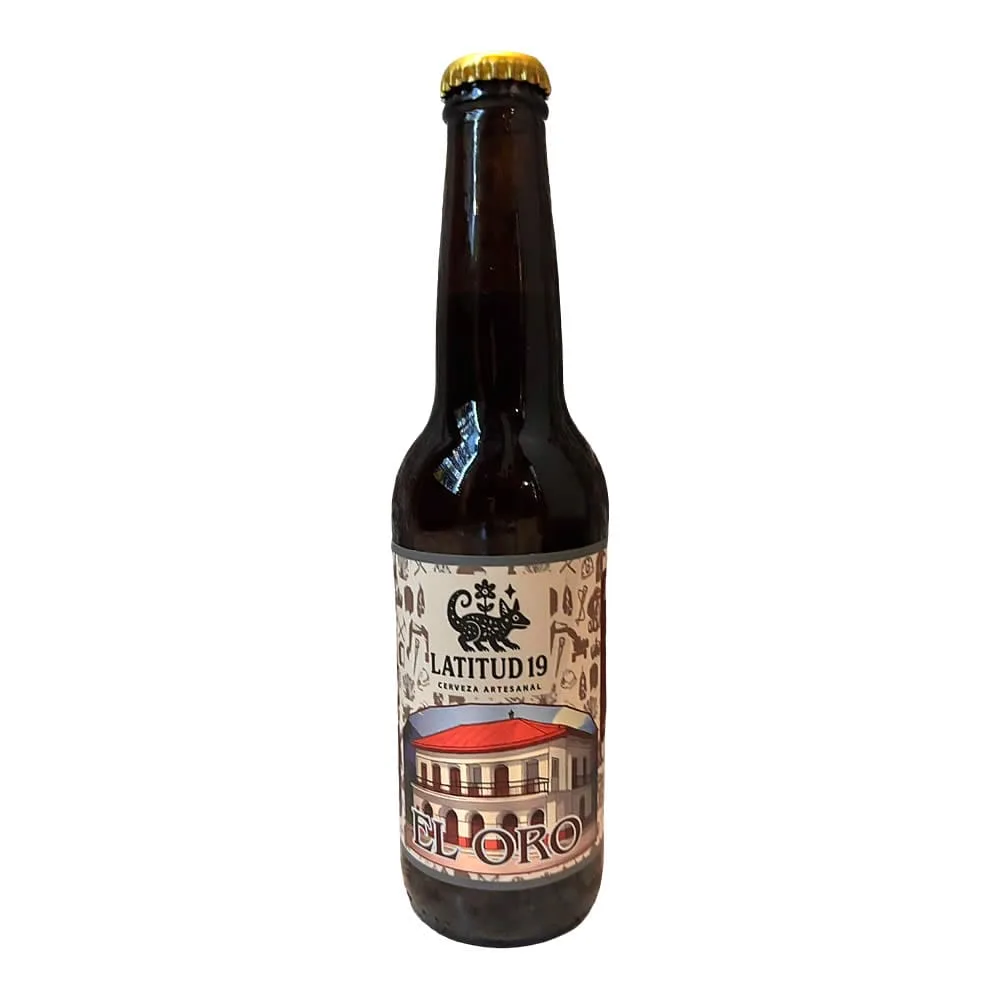
For small restaurants, cafés, pizzerias, bars, and neighborhood food establishments in Mexico, choosing the right cerveza artesanal and beer selection has never been more important. Customers today are more curious, informed, and willing to explore new flavors than ever before. As a result, business owners face a key question: Should you stock craft beer or imported beer — or both?
To make the right decision, you need to understand the strengths, differences, and customer expectations surrounding each category. Whether your audience prefers bold Mexican cervezas artesanales, premium international imports, or a balanced mix of both, the right beer menu can significantly boost revenue, customer satisfaction, and brand identity.
This in-depth guide walks you through the benefits, challenges, and business considerations involved in choosing between craft beer and imported beer for your small establishment in 2025.
Understanding Craft Beer: Flavor, Identity, and Local Passion
Craft beer has seen explosive growth in Mexico over the last decade. Customers who once defaulted to traditional lagers now actively seek unique flavors, experimental styles, and independent breweries.
What Makes Craft Beer Appealing?
1. Unique and Diverse Flavors
Craft breweries often produce small-batch beers packed with personality. From IPAs to stouts, sour beers to wheat ales, cervezas artesanales offer creativity that mainstream beers rarely match.
2. Local Identity and Storytelling
Mexican craft brewers take pride in locally sourced ingredients, community culture, and innovative approaches. Customers love ordering beers that feel authentic and connected to the region.
3. Higher Perceived Value
Craft beer consumers expect to pay more for quality, which means higher margins for businesses that stock these beers.
4. Strong Appeal Among Younger Audiences
Millennials and Gen Z drinkers gravitate toward unique experiences. Craft beer offers exactly that.
Understanding Imported Beer: Prestige, Consistency, and Global Appeal
Imported beer brings a different value to your menu — one built on brand recognition, international quality, and global drinking trends.
Why Customers Love Imported Beers
1. Reputation and Credibility
European and American beer traditions are well-established. Imported beers often carry a sense of prestige and reliability, appealing to customers who want something familiar but elevated.
2. Consistency in Flavor
Large international breweries offer stable, predictable quality that makes these beers easy to recommend and stock.
3. Perfect for Pairing With Global Menus
From cervezas alemanas to cervezas belgas and cervezas mexicanas imported from other regions, international beers pair well with diverse cuisines.
4. Accessible to All Drinking Levels
Imported lagers and pilsners are extremely easy to drink, making them attractive to casual customers and beer beginners.
Craft Beer vs. Imported Beer: Key Differences Every Small Business Should Know
To decide what to stock, you need to understand how each type of beer performs in real-world business settings.
1. Customer Target Audience
Craft beer attracts:
- Younger adults (25–40)
- Consumers who love trying new flavors
- Craft beer fans who value identity and story
- Customers willing to pay more for premium experiences
Imported beer attracts:
- Casual drinkers looking for reliable flavor
- Older audiences with established brand preferences
- Tourists seeking familiar brands
- Customers who prefer mild, easy-drinking beers
2. Profit Margins
Craft beer
✔ Higher selling price
✔ Boutique appeal
✔ Good margins on specialty bottles
✘ More expensive to purchase in some cases
✘ Not always sold in bulk-friendly formats
Imported beer
✔ Strong margins depending on brand
✔ Predictable demand
✔ Often available in wholesale formats
✘ Premium imports can be expensive
✘ Some flavors may not appeal to adventurous drinkers
3. Menu Flexibility and Pairings
Craft beer is ideal for pairing with:
- Specialty dishes
- Gourmet food
- Spicy or bold flavors
- Chef-driven menus
Its complexity elevates food experiences.
Imported beer pairs well with:
- Everyday menu items
- Pizza, burgers, tacos, wings
- Customers who prefer simple, refreshing drinks
Its simplicity keeps customers comfortable.
4. Brand Identity and Atmosphere
Craft beer enhances:
- Trendy, modern, creative establishments
- Bars with a strong beer identity
- Restaurants that want to emphasize local culture
Imported beer strengthens:
- International or upscale brand image
- Classic bar environments
- Restaurants that focus on global cuisine
Questions Small Business Owners Should Ask Before Ordering Inventory
1. What are your customers already asking for?
Do they love craft styles? Or do they prefer classic, well-known imported brands?
2. What type of food do you serve?
Spicy dishes pair well with Belgian ales and German pilsners. Creative cuisine pairs easily with cervezas artesanales.
3. Do you have storage limitations?
Craft beer cans and bottles may require more refrigeration space. Imported beers often come in consistent, easy-to-store packaging.
4. How much variety do you want on your menu?
Craft beer expands your menu creatively. Imported beer offers reliable staples.
5. What is your target price point?
If your customers are price-sensitive, imported lagers may perform better. If they seek premium experiences, craft beer wins.
Advantages and Challenges of Stocking Craft Beer
Advantages
- Strong appeal to younger customers
- Differentiates your business
- Expands flavor variety
- Higher perceived value and strong margins
- Supports local breweries and storytelling
Challenges
- Can be risky if your customers prefer mild flavors
- Some styles move slowly
- Higher cost per unit compared to mainstream imports
- Requires staff training to explain unfamiliar styles
Advantages and Challenges of Stocking Imported Beer
Advantages
- Familiar to most customers
- Easy to sell with minimal explanation
- Works well for casual and upscale environments
- Consistent flavor and reliable quality
- Great for pairing with simple food menus
Challenges
- Premium imports can become costly
- Limited flavor variety compared to craft
- Some customers may see imports as less exciting
- Culturally, they may not feel as local or artisanal
How to Build the Perfect Beer Menu for Your Small Business
The good news: You don’t have to choose just one.
The most successful small businesses combine cervezas artesanales with premium imported options. This strategy helps you appeal to all types of customers.
The ideal balanced menu includes:
- 2 or 3 craft IPAs or pale ales
- 1 or 2 local Mexican craft lagers
- 1 German pilsner or lager
- 1 Belgian ale or wheat beer
- 1 or 2 crowd-pleasing international lagers
- A rotating seasonal craft beer
This mix provides familiarity, variety, and excitement.
Staff Training: The Hidden Key to Beer Sales
Even the best beer menu fails if your staff can’t explain it.
Servers and bartenders should know:
- Basic flavor descriptions
- Alcohol content
- Food pairing suggestions
- Key differences between craft and imported beer
When staff confidently recommend beers, customers buy more — especially premium selections.
FAQ: Craft Beer vs. Imported Beer for Small Businesses
- Which sells better overall?
It depends on your location: urban areas tend to prefer craft beer; tourist areas often prefer imports.
- Are imported beers always more expensive?
Not always. Some international brands are budget-friendly in bulk.
- Is craft beer too strong for casual drinkers?
Not anymore — many Mexican craft breweries now offer mild, approachable options.
- Should I focus more on bottles or cans?
Cans are better for storage and freshness, while bottles feel more premium. Mixing both works best.
- What if customers don’t recognize craft brands?
A small tasting menu or sampler flight can help customers explore without commitment.
Final Thoughts
Choosing between craft beer and imported beer doesn’t have to be an either-or decision. The best approach is understanding your audience, your brand identity, and your menu goals. Cervezas artesanales offer creativity, bold flavor, and a connection to local culture. They help small businesses stand out and attract younger, curious customers who love variety. Imported beers, on the other hand, bring prestige, comfort, and familiarity — making them reliable best-sellers for everyday drinkers.
By thoughtfully combining both categories, your business can build a balanced beer selection that satisfies all types of customers. Craft beer adds excitement, while imported beer adds stability. Together, they create a menu that feels complete, profitable, and aligned with modern drinking trends in Mexico.