
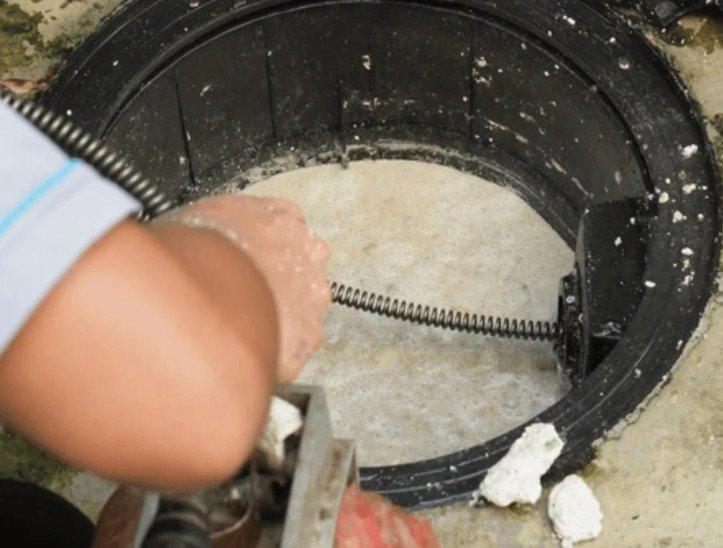
Every successful restaurant deals with FOG. FOG stands for Fats, Oils, and Grease. These substances are a major problem for any commercial kitchen. They cool down and solidify once they enter your drainage system. This causes expensive, smelly blockages. That is why the practice of grease interceptor cleaning is absolutely essential. It is not just a suggestion. It is a legal and practical requirement for your business. This process is key to preventing plumbing disasters. It works hand-in-hand with standard grease cleaning practices for your drains. We will look at what makes a professional interceptor service different. You will learn what an honest, expert service provides.
What Exactly Is a Grease Interceptor?
A grease interceptor is a plumbing device. It separates FOG from wastewater before it enters the public sewer system. You might hear it called a grease trap. Most restaurants, cafeterias, and food production facilities have one. It works by slowing down the flow of warm water. This gives the FOG a chance to cool down. The cooled grease floats to the top. Heavier solids sink to the bottom. The cleaner water exits to the sewer line.
This system is an important line of defense. Without it, FOG would quickly clog city pipes. Local regulations require this device for good reason. A failure here is not just your problem. It becomes a costly public issue. It causes sewer backups that affect entire neighborhoods. Keeping this device working is important for your budget and the community.
The Two Sides of Grease Cleaning: Interceptors vs. Drain Lines
The phrase “grease cleaning” covers a lot of ground. It refers to two main jobs in a commercial kitchen. First, you have regular drain and line jetting. This keeps kitchen drains running smoothly. Second, and much more complex, is the grease interceptor cleaning service. These two tasks are related. But they are not the same thing.
Drain line cleaning handles the small, immediate clogs. It focuses on the pipes inside your building. The hydro-jetting process blasts water through the lines. This clears away buildup and sludge. Interceptor cleaning is a much bigger job. It deals with the entire contents of a large tank. This tank is designed to hold hundreds or thousands of gallons. The service must remove all the collected FOG and solids. It also must clean the inside walls of the tank.
Don’t mistake daily maintenance for a professional service. You can skim the surface FOG yourself. But you cannot fully clean the interceptor on your own. Proper service uses specialized vacuum truck equipment. It removes all layers of waste. This includes the heavy solids at the bottom. Getting this service right is the difference between smooth operation and an emergency closure.
Reviewing the Methods: How Professionals Handle Grease Interceptors
There are two primary methods for grease interceptor cleaning. Knowing the difference is important. It helps you understand the quality of service you are paying for.
The first method is the Pump and Return method. This process is faster. The technician only pumps out the floating grease layer and the sludge layer. They leave the gray water, or “effluent,” in the tank. They then return the separated gray water back into the interceptor. This saves time on hauling the water away. It also seems cheaper at first. But here is the major limit. The water returned to the tank is still dirty. It often contains suspended solids and high FOG levels. This water immediately starts the clock ticking again. The interceptor fills up faster. This means you will need to call for service sooner. This method can also leave behind a hard, thick residue on the tank walls. This residue reduces the interceptor’s working capacity. Over time, the tank becomes less efficient.
The second, better method is Total Evacuation or Full Pump-Out. In this process, the technician removes everything. They pump out all the grease, all the solids, and all the water. The tank is completely emptied. Then, they scrape the walls and clean the baffles. This ensures the interceptor is clean down to the bare surface. Once completely empty, the tank is refilled with clean water. This gives you a fresh start. This method takes longer and might cost a bit more upfront. But it is a much more honest and complete service. It ensures the interceptor works at its full, original capacity. This means you can extend the time between services. You save money in the long run.
When you choose a company, ask them which method they use. A good provider will always recommend and use the Total Evacuation method. This is the expert standard. This is the approach used by reputable providers like Grease Cleaning Pros.
Introducing Grease Cleaning Pros: An Honest Service Partner
Finding a reliable partner for this work can be tough. Many companies will try to sell you the faster, cheaper Pump and Return service. Grease Cleaning Pros is different. They focus only on providing the highest quality cleaning available. They are a dedicated commercial grease and drain maintenance company. They specialize in total FOG removal and system integrity checks. Their approach is simple: always do the job right the first time.
The company understands the unique challenges of kitchen operations. They know that downtime means lost revenue. They aim to perform all their services efficiently. This minimizes any disruption to your business hours. They promise full evacuation of your grease interceptor every time. This ensures maximum efficiency between scheduled services. They handle all waste disposal legally. This protects your business from any environmental violation fines.
Cost Benefits of Proactive Cleaning
Many restaurant owners view grease interceptor cleaning as an unavoidable fee. But it is actually a smart investment. It saves you money in several important ways.
First, regular cleaning prevents blockages. Clogged pipes lead to sewage backing up into your kitchen. That requires an emergency plumber call. Emergency services are always more expensive than scheduled maintenance. You also risk temporary closure. A closure means lost sales and unhappy customers.
Second, consistent maintenance extends the equipment’s life. FOG is acidic as it breaks down. This acid can corrode concrete and metal interceptors over time. Keeping the tank clean slows this process down. It helps you avoid the high cost of replacing a damaged interceptor.
Third, regular service avoids fines. Local governments set strict rules for FOG levels. They want to protect the public sewer system. Neglecting your interceptor can lead to hefty non-compliance penalties. A professional service provides the necessary paperwork. This documentation proves your facility is compliant. This keeps health inspectors happy and your wallet safe.
When to Call the Experts: Signs of a Failed Interceptor
Knowing when to schedule your service is key to prevention. Don’t wait until you have a crisis. Look out for these four clear warning signs.
-
Slow Drains: Your kitchen sink drains slower than usual. This is a common sign. It shows that FOG is building up in the pipes. It also suggests that the interceptor is full. The water cannot flow through the tank fast enough.
-
Foul Odors: A properly functioning interceptor should contain the smell. A tank that is too full of rotting food solids will smell terrible. The stench will start creeping back up through your floor drains. This creates a terrible environment for your staff and customers. It is a clear signal that the tank is overdue for grease cleaning.
-
Water Pooling: Look for water pooling around floor drains, especially near the main sink or dishwasher. This means a blockage is forming. The system is struggling to push water through the main lines.
-
Visible FOG: Your local water authority may require periodic checks. If a technician measures too much FOG leaving the tank, you will get a fine. This shows the interceptor is no longer separating the grease effectively. It usually means the tank is 75% full or more. This is when service is absolutely necessary.
Most interceptors need service every one to three months. The frequency depends on the size of your tank. It also depends on the volume of FOG your kitchen produces. High-volume kitchens must schedule more often. A professional service partner will help you create a schedule. This schedule will keep you compliant and safe.
The Honest Limits of Professional Cleaning
No service can promise a total end to FOG problems. Even the best cleaning has limits. It is important to be honest about these limitations.
First, proper service only works if your staff is trained. Even a perfectly clean interceptor will fail quickly if staff pour grease down the drain. You must have a strong pre-scrapping routine. Solids like potato peels and rice should go in the trash. They must not go down the drain. The interceptor is a filter. It is not a trash can.
Second, cleaning cannot fix structural damage. An old, cracked concrete interceptor will leak. This allows sewage to escape into the soil. A cleaning company can empty the tank. But a plumber must fix the structural problem. Honest companies will point this damage out to you. They will not just clean it and walk away.
Third, chemical treatments are risky. Some products promise to dissolve grease. They break the FOG into tiny particles. But this liquefied grease often reforms into a larger, harder blockage down the line. Many municipalities actually ban these emulsifying agents. This is because they damage the public sewer system. Stick to physical cleaning, not chemical shortcuts.
Expert Tips for Extending Your Service Intervals
You can take action to help your interceptor. These actions reduce the FOG burden. This keeps your system running better between cleanings.
-
Scrape, Don’t Rinse: Train your staff to scrape all food waste into the trash before rinsing plates. This reduces the amount of solids that reach the interceptor. Food solids take up valuable capacity in the tank.
-
Manage Cooking Oil: All used cooking oil must be collected in separate, sealable bins. You should have a separate rendering service pick up this oil. Do not ever let it go down a drain. This is the single largest source of FOG.
-
Check Dishwasher Temperature: Ensure the water from your dish machine is not too hot. Water above 140°F can keep FOG melted. This allows it to pass right through the tank. Cooler water helps the separation process work correctly.
-
Keep Clear Records: Maintain a log of every cleaning service. Note the date, the volume of waste removed, and the method used. This is your proof of compliance for local inspectors. Good record-keeping helps you predict your next service date accurately. This also helps you justify service frequency to local authorities.
Verdict: Choose Expertise Over Low Price
Grease cleaning is non-negotiable for commercial kitchens. The practice of professional grease interceptor cleaning is the core of this responsibility. It protects your business from costly failures. It protects the environment from pollution. Do not view this service as an expense. View it as insurance against a major disaster.
Choose a partner who uses the Total Evacuation method. Choose a company that focuses on transparency and expertise. We recommend looking into a specialist like Grease Cleaning Pros. They provide the thorough, honest service that your high-volume kitchen requires. Keeping your interceptor empty is not the goal. Keeping it clean and functioning is the true measure of a good service. You can learn more about proper scheduling and services on their official site, page 1.
Visit Company Website.com today. This is the right first step toward hassle-free compliance.